Improve Response in the Threat Detection Response Equation - Webinar

Operationalizing data at the same scale it’s collected is vital, yet 55% of organizations surveyed by analyst firm ESG said they don’t have the skills or the time to create automations or playbooks to manage all threat data at machine speed. @Enterprise Strategy Group ESG and @Torq will explore the landscape of EDR and XDR systems and show how teams can approach the challenges of operationalizing the threat data they provide with different approaches to automation.


Why Law Firms Should Use Integrity Monitoring to Maintain Confidentiality

Law firms owe their clients several types of duties, such as the duty of care, duty to provide competent representation, as well as other ethical responsibilities. Their duties even extend to former clients and must be upheld long after they no longer have a formal attorney-client relationship. More specifically, lawyers have a duty to not disclose any information about a client or prospective client, unless that individual consents, or an exception is dictated by law.

Your Cybersecurity MVP: the Rubrik Ransomware Response Team

Have you ever asked yourself, “What happens if I am attacked by ransomware?” Well, the over 4,500 Rubrik customers around the world have the ultimate peace of mind knowing their data is secure with our Zero Trust Data Security platform. In addition to Rubrik’s industry-leading and comprehensive data security solution, we also have a specialized Ransomware Response Team to provide world-class support and care when our customers are attacked.

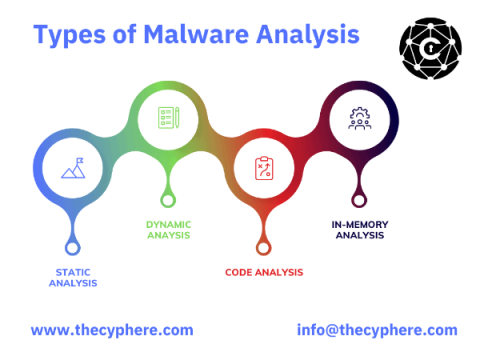
Malware Analysis Guide: Types & Tools

Malware analysis is a process of identifying and examining malware samples to understand the threat they pose. This information can develop defences against the malware or help remove it from infected systems. Malware analysis is a critical skill for incident responders and IT professionals. There are a variety of malware analysis tools and techniques that can be used, depending on the type of malware sample.

What is Social Engineering?

Many organizations focus on technological controls to protect their assets. But that’s only part of the story! Smart attackers use social engineering to achieve their goals in compromising networks and data. In a social engineering attack vector, attackers lie or present deceptive fronts to convince people to divulge information or take some action that allows the attackers access. If you learned anything from this video, please subscribe to our YouTube Channel! We will be releasing more videos to help you understand cybersecurity for your organization.

Playing Hide-and-Seek with Ransomware, Part 2

In Part 1, we explained what Intel SGX enclaves are and how they benefit ransomware authors. In Part 2, we explore a hypothetical step-by-step implementation and outline the limitations of this method. Watch this live attack demo to see how the CrowdStrike Falcon® platform and the CrowdStrike Falcon Complete™ managed detection and response team protect against ransomware.

Why You Need To Update Your Software | Cybersecurity Awareness Month

Have you ever watched a scary movie where a young couple comes home to find the front door cracked open or windows thrown wide, curtains billowing in the autumn evening breeze? As the couple approaches the house, the tense music swells and we grip our armrests, struck by the terrifying realization that anyone — or anything — could be awaiting them inside.

The people have spoken and Splunk wins twice at the ITAwards

You know that us Splunkers love to go deep into use cases and figure out what helps our customers the most. However in today’s business world, industry recognition goes a long way in proving the value in the products and services we use. For example if you were Munich Airport, then it would speak volumes to others if your airport was named as a “First Five-Star Airport” or if you were Dachser Logistics and went on to win the “One Eaton Supplier Premier Award”.