Role of Code Signing Certificate for Application and Software Developers

Code signing certificates are essential for businesses to ensure the security of their software programs and applications. Code signing certificates provide assurance to your customers that the software they are downloading is authentic, untampered, and trustworthy. By using code signing certificates to sign their code digitally, businesses can ensure the integrity of their software and protect their reputations.

These Are The Drivers You Are Looking For: Detect and Prevent Malicious Drivers

The Windows kernel driver is an interesting space that falls between persistence and privilege escalation. The origins of a vulnerable driver being used to elevate privileges may have begun in the gaming community as a way to hack or cheat in games, but also has potential beginnings with Stuxnet.

Top 8 Software Composition Analysis (SCA) Tools for 2023

The software development landscape moves quickly. As organizations seek to innovate at increasing speed, developers find ways to develop and deploy digital apps faster. More than 500 million cloud-native digital apps and services are being deployed this year–the same number of apps developed over the last 40 years! Against this backdrop, ensuring software code security and quality has become more critical–and challenging.

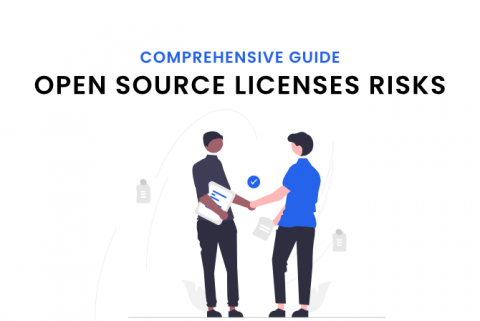
Navigating Open Source License Legal Risks: A Comprehensive Guide

Open source software has revolutionized the software development landscape, providing cost-effective solutions and promoting collaboration among developers worldwide. However, the legal terms associated with open source licenses can be complex, and improper management of these licenses may lead to significant legal risks.

Automotive Cyber Vulnerabilities You Need to be Aware of

As technology continues to advance, the potential for hacking and cyber-attacks on various devices and systems has become a major threat. This has extended to the automotive industry, with increasing numbers of car hacks being reported. With the rise in the production of electric vehicles (EVs), these attacks have escalated in frequency and severity.

Key Takeaways from S&P Global Market Intelligence Discovery Report: The Impact of Continuous Security Validation

In late 2022, SafeBreach commissioned S&P Global Market Intelligence to conduct a research project surveying 400 highly qualified security practitioners across the United States and Europe. The goal was to understand respondents’ biggest security challenges, the level of adoption and maturity of the continuous security validation (CSV) tools they use to address those challenges, and the business outcomes they achieved.

A Guide to Controlled Unclassified Information (CUI) Markings

Defense contractors and suppliers have anxiously been awaiting news on the roll-out date for CMMC 2.0. The DoD previously indicated it would publish a final or interim final rule in 2023 to formally implement the CMMC program and contractor compliance with its requirements. There is some indication that it will now be issued as a proposed rule in May of 2023.

Kubernetes 1.27 Release: Enhancements and Security Updates

The Kubernetes 1.27 release brings multiple enhancements and security updates, providing users with an improved, more flexible, and secure platform for building and managing containerized applications. This post will provide an overview of the security-related updates and most significant enhancements in v1.27.

Secure the Lifeblood of the American Economy

Small and medium-sized businesses account for 4.17 percent of private sector employees and almost half of the United States’ gross domestic product , yet—due to limited finances, resources, and staff—many have difficulties when it comes to supply chain management. Geopolitics, inflation, and worker shortages are just a few variables that can impact supply chains; 86% of SMB supply chains have already been or expect to be impacted by Russia’s war in Ukraine.

Key trends shaping the cybersecurity channel in 2023

The global economic landscape is shifting. Cybersecurity skill shortage, inflation, and supply chain concerns are key issues contributing to price hikes and increased business costs. In this challenging environment, end customers are evaluating their spending, and channel partners, especially those delivering managed services, have been planning to raise prices on their services.