3 tips on how to adapt your company to the new PCI DSS security standard

Digital transformation has changed the way people make purchases. The growth of ecommerce has led to credit cards becoming one of the most widely used payment methods, but mismanagement could jeopardize the integrity and security of company and customer data.

Customers and Employees of Talcott Resolution Life Insurance Likely Lost Data to Recent Breach

Talcott Resolution Life Insurance is a newer company founded in 2018. The organization specializes in life insurance and annuity offerings. It's located in Windsor, Connecticut, and has an annual revenue of $1.6 billion. The organization is responsible for managing about one million insurance contracts currently, which is a serious concern since the company was recently breached. This data breach could lead to substantial customer losses if those involved don't react quickly enough.

Are Your Threat Hunters Too Distracted?

Threat hunters are some of the most specialized and experienced workers in the SOC. They are incredibly valuable to the organization, but as the 2023 SANS Threat Hunting Survey finds, they’re continually being asked to multi-task and take on other duties. And that’s taking away from their primary job of hunting for threats. How can we change this status quo and help threat hunters (and the organizations they work for) be successful? That’s the million-dollar question.

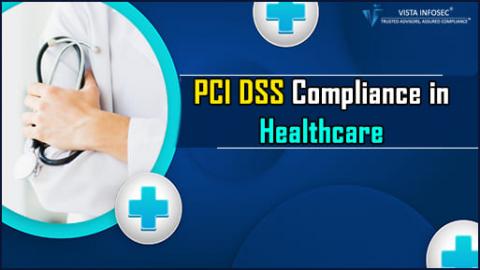
PCI DSS Compliance in Healthcare

Data security has become an essential aspect of our lives and is more crucial than ever before. In the healthcare industry, organizations are entrusted with a plethora of sensitive information, including PHI, PII, and financial data. This renders them accountable for complying with both HIPAA and PCI regulations. Adherence to these regulations is paramount for safeguarding sensitive patient information from data breaches and cyber attacks.

DFARS Compliance: What You Need to Know

Businesses that work with the US Department of Defense (DoD) and collect, process, transmit, or store controlled unclassified information (CUI) must comply with Defense Federal Acquisition Regulation Supplement (DFARS) standards. The DoD has responded to the growing threat of cyber incidents, including cyberattacks from cybercriminals and nation-states, by prioritizing cybersecurity best practices and insisting they are implemented throughout the DoD supply chain.

How to Snare Software Supply Chain Hackers with Honeytokens - Mackenzie Jackson at InfoSec London

Learn from Mackenzie Jackson, Developer Advocate at GitGuardian, about the evolving nature of software supply chain attacks and the importance of deploying honeytokens to track and document attackers' movements. Discover how honeytokens can enhance supply chain defenses and uncover vulnerabilities that traditional security tools may miss.