8 Serverless Security Best Practices for Any Cloud

Time, cost, and quality – hitting this trifecta is the ultimate goal of any software organization. Its pursuit over decades has resulted in multiple application development methodologies like serverless computing, an emerging and popular cloud computing model touted as the future. Nearly 70% of organizations will increase their usage of serverless computing by 2025.


Do You Use These Top SaaS Apps? Here's What You Need to Know About Data Sprawl

Nightfall’s recent “State of Secrets” report uncovered that collaboration, communication, and IT service tools have the highest risk of data exposure, particularly in industry-leading SaaS apps like Slack and GitHub. This trend highlights an incredibly pervasive (yet often overlooked) risk in cloud cybersecurity: Data sprawl.

Balancing Cybercrime Incident Response: Forensics vs. Business Priorities

In today's digital landscape, incident response is a critical aspect of cybersecurity. However, achieving the right balance between conducting extensive forensics and addressing pressing business concerns is vital. Join us in this enlightening video as we explore the complexities of handling security incidents and uncover the reality that often differs from the traditional view of cyber attacks.

Netskope Threat Coverage: Microsoft Office and Windows Zero Day (CVE-2023-36884)

Microsoft disclosed a zero-day vulnerability impacting Office and Windows on July’s Patch Tuesday. This vulnerability has an “important” severity level, and can allow attackers to perform remote code execution with the same privileges as the target. As of this writing, there is no patch available to mitigate the vulnerability, but Microsoft has provided mitigation steps.

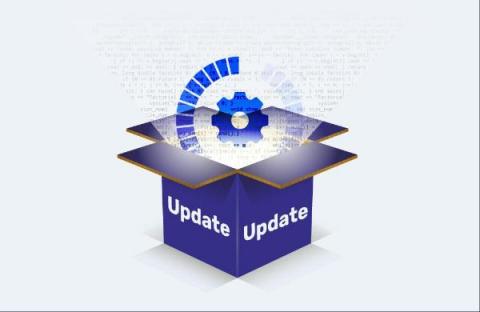
Why is Software Vulnerability Patching Crucial for Your Software and Application Security?

Software vulnerability patching plays a critical role in safeguarding your code base, software, applications, computer systems, and networks against potential threats, and ensuring they’re compliant, and optimized for efficiency. Organizations’ codebases have become increasingly complex, involving sophisticated relationships between components and their dependencies.

Using the Right Security Behaviours at the Wrong Time

Discover:✅ Why even the savviest individuals struggle to avoid phishing traps, especially amidst multiple software sign-ups and cloud managed services. ✅ From an organisation's standpoint, why acknowledging and reporting phishing attempts, like John's simulated case, is a crucial step towards better security.

DeepScan in Action: Transforming Health Data Verification and Analysis

In the current digital age, healthcare providers are handling increasing volumes of data, emphasizing the urgent need for effective and accurate data management tools. IDcentral’s DeepScan, an AI-powered Document Extraction & Verification API, steps into this crucial role, revolutionizing the way the healthcare industry handles data extraction and verification.

How to start a security compliance program

Security compliance programs help your organization identify, implement, and maintain appropriate security controls to protect sensitive data, comply with laws and contractual obligations, and adhere to the standards, regulatory requirements, and frameworks needed to protect customers and enable the business to succeed. ‍ In other words, with a security compliance program in place, companies are able to demonstrate that they meet designated security requirements and objectives.