Black Basta Ransomware Decryptor Released to Help Some Victims

A flaw found by security researchers in the encryption software allows victim organizations to use “Black Basta Buster” to recover some of their data – but there’s a catch. We’ve all heard – for as long as ransomware attacks have been happening, you either need to pay the ransom or recover from backups. But a third option has now sprouted up on GitHub.

Microsoft Turns Off a Significant Windows App Install Mechanism Known for Spreading Malware

This mechanism is intended to simplify installing Windows apps after cybercriminals started using it to spread malware loaders that resulted in ransomware and backdoor outbreaks. The feature in question is called the ms-appinstaller consistent resource identifier plan, and its initial purpose was to make deploying Windows programs to devices simpler.

5 Considerations for an Effective Healthcare Risk Management System

The healthcare industry is no exception to the rapid levels of transformation we’re seeing across multiple industries right now. As more facilities begin to leverage electronic health records (EHRs) and internet-connected medical devices for patient care, organizations are becoming more reliant on advanced technologies. While these changes have helped advance patient care in many ways, they have also introduced the healthcare sector to greater levels of risk.

What is an EMV Chip Card, and How Does it Store Your Data?

For over a decade, the magnetic stripe was the authentication tool behind modern-day credit cards. Magnetic stripe technology was developed in the late 1960s, but it took time before widespread use. It wasn't until 1994 that EMV technology was developed, leading to the cards with the little chips embedded in them. Europe quickly embraced the EMV chip card, but the United States and Canada have taken longer.

Continuous Threat Exposure Management (CTEM)

As businesses transform digitally, cyber threats are evolving faster. The takeaway isn’t that threats are more sophisticated: it’s that traditional, reactive vulnerability management solutions are rarely effective. Continuous threat exposure management is a process that can effectively address this problem.

Ghost in the Web Shell: Introducing ShellSweep

In the cyber realm, where digital defense and offense is an ongoing game of cat and mouse, one of the most potent weapons in an attacker's arsenal is the web shell. A seemingly innocuous piece of code that, once embedded in a server, allows an attacker to maintain their access and control. The hidden danger of web shells is their stealthiness and versatility, making them a challenging threat to uncover and neutralize.

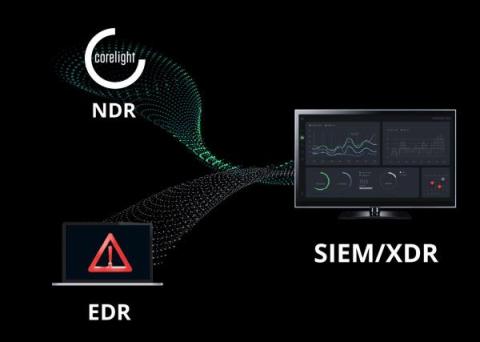
Dual Defenses: 10 Reasons Why NDR Is Essential Alongside EDR

Over the last few years, the evolution of cybersecurity strategies has seen a significant shift toward a more layered, nuanced, and, in many cases, advanced approach. Among these advancements, Network Detection and Response (NDR) has emerged as a critical component that continues to become more widely recognized and accepted across the industry for its efficacy in bolstering cybersecurity defenses.

Endpoints and Endpoint Detection: Importance & Risk Mapping

“Secure the endpoints!” This battle cry can sound like a meme, sure, but it also highlights arguably the most important part of modern cybersecurity today: are we securing the endpoints? A compromised network is likely to leave traces of anomalous and unauthorized activities that originate from network endpoints.

Build and deploy a Node.js security scanning API to Platformatic Cloud

In this guide, we'll dive into the powerful combination of Platformatic and Fastify, unlocking rapid backend development with an emphasis on robustness and security. Whether you're a seasoned Node.js developer or just starting out, this article is a helpful start to enhancing your familiarity with Node.js PaaS environments such as Platformatic.