Leveraging ThreatQ and Infoblox SOC Insights for Enhanced Security Operations

Organizations face an ever-evolving array of cyber threats that require swift and intelligent responses. Security Operations Centers (SOCs) are at the forefront of this battle, tasked with detecting, analyzing, and mitigating threats to safeguard valuable assets. To bolster their defenses, many enterprises are turning to innovative solutions such as ThreatQ™ and Infoblox SOC Insights, which offer advanced capabilities for threat intelligence management and network security.


The Unsettling Leap of AI in Video Creation: A Glimpse Into Sora

In the rapidly evolving landscape of artificial intelligence (AI), the launch of Sora by OpenAI marks an unnerving milestone in video synthesis. The unveiling of such revolutionary technology is simultaneously exciting and raises red flags to the broader implications of AI's role in digital content creation and cybersecurity. The potential of Sora to generate up to one-minute video clips from mere text input is staggering.

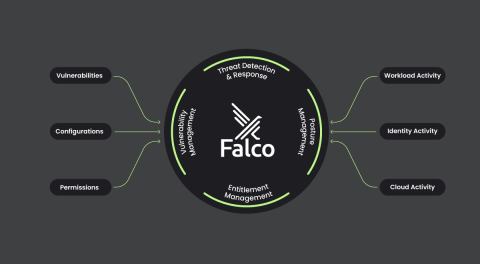
The power of prioritization: Why practitioners need CNAPP with runtime insights

The heightened demand for cloud applications places a premium on the agility of development teams to swiftly create and deploy them. Simultaneously, security teams face the crucial task of safeguarding the organization’s cloud infrastructure without impeding the pace of innovation.

Preventing server-side request forgery in Node.js applications

Server-side request forgery (SSRF) is a common vulnerability that can crop up unknowingly in any Node.js application. It poses a significant threat because attackers can manipulate a server into making unintended requests to both internal and external resources. This article will explore SSRF, its potential risks, and the strategies to mitigate SSRF in Node.js applications.
Featured Post

How Telecommunications Providers Can Best Tackle DDoS Attacks

The UK's 2023 National Risk Register, published by the government in the summer, highlights the increasing cyberthreat posed to telecommunications providers who are a vital part of the communications critical national infrastructure (CNI) sector. The report lays out the volatile landscape these providers operate in and the government's acknowledgement of the seriousness of cyber threats to telecommunications infrastructure. It also details the difficulty in implementing the Telecommunications (Security) Act 2021, which establishes guidelines for telcos to follow.