A Peek Inside Fireblocks Tokenization Engine: The Backbone of Your Tokenization Solution

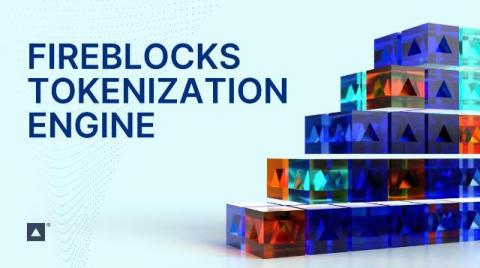
Fireblocks offers businesses a broad suite of solutions to meet all of their tokenization needs. The Fireblocks Tokenization Engine — only one part of our ecosystem — is a platform powering the future of financial markets and digital asset ownership. Businesses can use the Tokenization Engine to launch and manage any tokenization solution and securely mint, custody, distribute, and manage tokenized assets.

Prompt Sanitization: 5 Steps for Protecting Data Privacy in AI Apps

As Generative AI (GenAI) and Large Language Models (LLMs) become integral to modern apps, we face a critical challenge of protecting sensitive user data from inadvertent exposure. In this article, we’ll explore the importance of content filtering in LLM-powered apps, and provide strategies for its implementation. Looking for step-by-step tutorials on prompt sanitization for OpenAI, Langchain, Anthropic, and more? Skip down to the “Tutorials & further learning” section below.

Threat Actors Increasingly Exploit Deepfakes for Social Engineering

The availability of deepfake technology has given threat actors a valuable tool for social engineering attacks, according to researchers at BlackBerry. “Typically, online scams prey on the presumed weaknesses and susceptibility of the targeted individual,” the researchers write.

What you should know about PHP code security

When it comes to web development, PHP is a widely used scripting language. With its popularity, it is crucial to understand the potential security risks associated with PHP and the measures to mitigate them. Whether you deploy CMS applications using WordPress or build enterprise applications with the Laravel PHP framework, the importance of PHP security and the business impact of some notable PHP interpreter vulnerabilities are crucial for developers to get right.

How to add a Google Workspace organization as a Datasource for Backup

In this BDRSuite demo, I'll guide you through adding Google Workspace Organization as a Data Source in BDRSuite Backup Server BDRSuite provides a complete backup solution for your Google Workspace data, covering user mailboxes, Google Drive, calendars, contacts, and shared drives. It also features flexible storage options, data export in formats like PST, and much more.

DORA & NIS2: The Cybersecurity Regulation Revolution

Are you ready for DORA and NIS2? Discover how these regulations could transform your security strategy! Welcome back to another episode of Razorwire! Today we unpack the DORA and NIS2 regulations with esteemed cybersecurity expert Richard Cassidy. I’m your host, Jim Rees, and I’ll be guiding the conversation for anyone navigating the evolving landscape of digital security in the financial sector. In this information-packed episode.

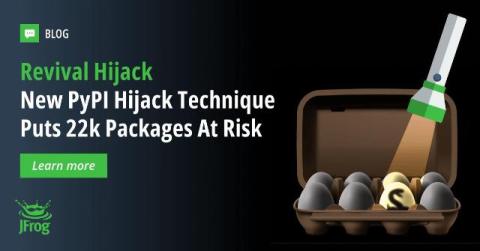
Revival Hijack - PyPI hijack technique exploited in the wild, puts 22K packages at risk

JFrog’s security research team continuously monitors open-source software registries, proactively identifying and addressing potential malware and vulnerability threats to foster a secure and reliable ecosystem for open-source software development and deployment. This blog details a PyPI supply chain attack technique the JFrog research team discovered had been recently exploited in the wild.

Cybersecurity in a Cycle: Balancing Repair and Replacement for Optimal Security

Regularly updating your policies, software, and systems is crucial to your long-term cybersecurity efforts. However, failing to properly plan these updates can undermine your continuity plans and impede your business's productivity and profitability. As a cybersecurity specialist, you can balance repairs and replacements by creating a dynamic, adaptive strategy that accounts for industry trends and responds to emerging threats without causing unnecessary expenses to the company.

How To Spot a Credit Card Skimmer

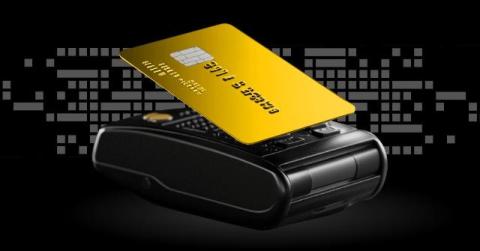
According to the FBI, credit card skimming costs individuals and banks approximately $1 billion annually. You can spot a credit card skimmer by searching for a tampered security seal, checking for misalignments, wiggling the card reader or looking inside the card reader. Continue reading to learn more about credit card skimmers, how to spot them and what you can do if your card gets skimmed.