Trailer: Measuring Your Data's Risk Exposure #CyberSecuritypodcast #CyberSecurity #shorts

Mike Tyson famously said, 'Everybody has a plan till they get punched in the face.' In cybersecurity, traditional strategies focus on preventing attacks—essentially planning for the punch. But what happens when the punch lands? It’s not just about the breach itself; it’s about how an organization responds. True resilience is measured by how swiftly and effectively you rebound. Strengthening infrastructure, refining processes, and enhancing talent are crucial steps in not just surviving but thriving after an incident.

What is a WAF (Web Application Firewall)? How does it Work?

As organizations are increasingly relying on web applications, securing them is vital. A Web Application Firewall (WAF) plays a critical role in protecting web apps by filtering and monitoring HTTP traffic between the application and the internet. Unlike traditional firewalls, which safeguard internal networks, a WAF focuses on protecting web applications from threats such as SQL injection, cross-site scripting (XSS) and other vulnerabilities.

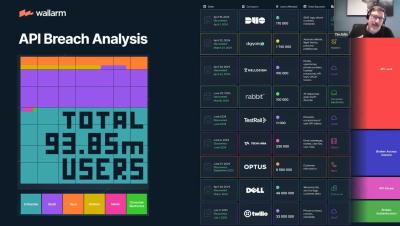
A CISO'S View on Building an API Security Program in 2024

Building a robust API and application security program is essential for security leaders across all industries. However, creating and maintaining an effective security strategy for your APIs and web applications requires: Identifying the right components to build a program that aligns with your business objectives.

Application Security - The Complete Guide

Application security is the combination of tools, practices, and policies that are used to protect the application layer of software from threat actors. Once something of an afterthought, application security is now widely and rightfully recognized as a vital part of the software development life cycle (SDLC). As the complexity of technology increases, considering application security early and often in the SDLC is imperative to keeping data and resources from falling into the wrong hands.

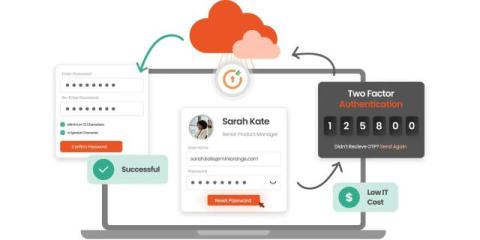
Enterprise Privileged Access Management (PAM) Explained | miniOrange

Welcome back! In this video, we will explore how miniOrange’s Privileged Access Management (PAM) solution can secure your businesses. Learn how PAM provides tighter control over privileged accounts and offers visibility into user activities once logged in, ensuring your high-tier systems and applications remain secure. Whether you're aiming to enhance your security strategy or simply understand more about PAM, this video has all the insights you need!

Defending Against Attacks on Data with Rubrik and the CrowdStrike Falcon Platform

In today's digital landscape, cyber attacks are an ever-present threat, and they all ultimately target one thing: data. For most organizations, the challenge lies not only in protecting this data but also in understanding the full scope of what they have. Many organizations struggle to identify how much sensitive data they possess, where it resides, and who has access to it.


CEL and Kubescape: transforming Kubernetes admission control

Admission control is a crucial part of the Kubernetes security, enabling the approval or modification of API objects as they are submitted to the server. It allows administrators to enforce business logic or policies on what objects can be admitted into a cluster. Kubernetes RBAC is a scalable authorization mechanism, but lacks the fine grained control over different Kubernetes objects. This creates the need for another layer of control which is Admission Policies.