The AI Revolution: Balancing Innovation and Ethics in the Age of Intelligent Technology

Artificial intelligence (AI) is revolutionizing most, if not all, industries worldwide. AI systems use complex algorithms and large datasets to analyze information, make predictions and adjust to new scenarios through machine learning – enabling them to improve over time without being explicitly programmed for every task.
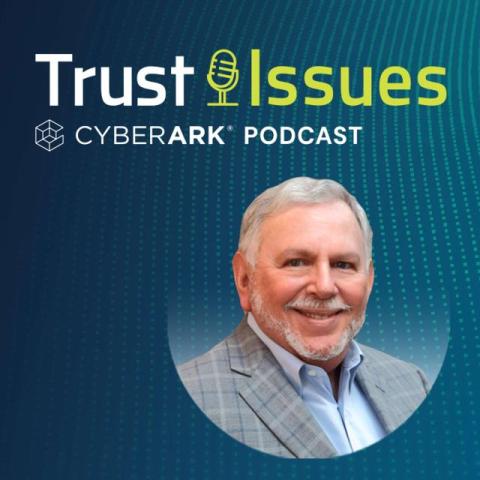

EP 62 - The Evolution of Identity

In this episode of the Trust Issues podcast, host David Puner sits down with Jeff Reich, Executive Director of the Identity Defined Security Alliance (IDSA), a nonprofit that provides vendor-neutral guidance on identity-centric security strategies to help organizations reduce the risk of identity-related attacks. They explore the evolution of digital identity, discussing how it has transformed from simple identifiers to complex, multifaceted digital identities for both humans and machines.

Six critical criteria for an identity lifecycle framework that strengthens your security profile

Employees come and go, and so do their identities within their organizations. On the surface, it seems a linear lifecycle, starting with onboarding and ending with offboarding, with a whole lot of access to resources in between. But it’s the “in between” where things are more complex – whether related to migration from one business unit to the next or integrating an acquisition.

CASB Requirements: What You Need to Know to Secure Your Cloud

In the modern cloud landscape, the question isn’t whether or not you need a cloud access security broker (CASB) — it’s how to choose the right one and implement it effectively. Malicious attacks are on the rise, and so are remote and hybrid workforces, making it more important than ever to be proactive about data security.

De-identification under HIPAA: 5 Frequently Asked Questions about De-identified Healthcare Data

The Health Insurance Portability and Accountability Act (HIPAA) safeguards patient data. Hospitals, clinics, insurance providers, and other healthcare facilities must adhere to these stringent rules. De-identification enables healthcare data to be used in meaningful research. It enables data to be analyzed to provide improved healthcare. It does this without violating personal privacy. This balance is critical to fuel innovation and ethically manage data.

Bridging the cloud security skill gap with Sysdig Sage

Disruptive technologies have a learning curve in the pace of adoption and implementation. Training and education tend to follow a slower schedule and can have a hard time keeping up with discoveries happening on the bleeding edge. This is part of what led to the current cloud security skill gap. The cloud transformed software development, accelerating innovation and the pace of human creativity. But, we now know that it also formed new security challenges.

German Police Dismantle 47 Criminal Crypto Exchanges in Major Operation

In a significant blow to cybercriminal infrastructure, German law enforcement has successfully dismantled 47 crypto exchanges accused of enabling illegal activities, including money laundering. This operation, dubbed "Final Exchange," was led by the Frankfurt Public Prosecutor’s Office – Central Office for Combating Internet Crime (ZIT) and the Federal Criminal Police Office (BKA).

Protect Users Everywhere with Integrated Zero Trust Hybrid Security

In this second blog of our series, we embark on a journey of Branch Transformation with the Next Gen SASE Branch solution. Built on the Netskope One SASE platform, the Next Gen SASE Branch solution combines its three layers—Context-aware SASE Fabric, Zero Trust Hybrid Security, and a SkopeAI-powered Cloud Orchestrator—into a unified cloud offering. The three layers are defined below.

7 CASB Use Cases to Protect Cloud-Based Resources

Cybersecurity leaders already know the importance of a data loss prevention (DLP) solution. They also know DLP has its limits. As cloud applications have grown more common, they’ve introduced gaps in the DLP shield. SaaS apps present new opportunities for data leakage, accidental sharing, and insider threats. To plug those gaps, you need a cloud access security broker (CASB).