See Falcon Next-Gen Identity Security in Action

Traditional identity and access management (IAM) and privileged access management (PAM) solutions are unprepared to face modern identity attacks. These solutions are primarily built to manage access — not secure it. Falcon Next-Gen Identity Security combines proactive prevention, modern secure privileged access, identity threat detection and response (ITDR), SaaS identity security, and agentic identity protection to stop identity-driven attacks.


How Researchers Collect Indicators of Compromise

As security researchers, we actively monitor the latest CVEs and their publicly available exploits to create signatures. Beyond CVEs, we also hunt for malware on platforms such as MalwareBazaar, which enhances our visibility into attacks occurring across networks. Today, we'll demonstrate a simple workflow showing how researchers use various tools to collect indicators of compromise (IOCs) and develop appropriate signatures from detonated malware.

When AI Agents Go Awry

When your AI agents go awry, rewind those changes easily with Agent Rewind from Rubrik. As AI agents gain autonomy and optimize for outcomes, unintended errors can lead to business downtime. Agent Rewind will enable organizations to undo mistakes made by agentic AI by providing visibility into agents' actions and enabling enterprises to rewind those changes to applications and data. We’ve integrated Predibase's advanced AI infrastructure with Rubrik's recovery capabilities to enable enterprises to embrace agentic AI confidently.

The Two AI Licenses You Need to Know

Mend.io, formerly known as Whitesource, has over a decade of experience helping global organizations build world-class AppSec programs that reduce risk and accelerate development -– using tools built into the technologies that software and security teams already love. Our automated technology protects organizations from supply chain and malicious package attacks, vulnerabilities in open source and custom code, and open-source license risks.

Trustwave's FedRAMP Authorization: A Game-Changer for Your Security Strategy

The importance of a cybersecurity vendor being Federal Risk and Authorization Management Program (FedRAMP) authorized cannot be understated. In February 2025, after a multi-year process, Trustwave achieved full FedRAMP authorization for its Government Fusion platform, becoming the first pure-play Managed Detection and Response (MDR) provider to do so.

The "So What?" Problem in Threat Intelligence

Defense teams and many others across the organization don’t always understand what intelligence is or how to use it. Scott Scher explains why that second part, how to use it, is what CTI teams often miss. Scott shares why intelligence must go beyond reports and clearly communicate what matters and what to do next. Key Points: Most teams don’t know how to apply raw intelligence CTI must embed the “so what” and “what now” Reports alone are not enough Actionability is what makes intel valuable.

How to Hack a Cloud Access Mismanagement

Protect Your Cloud: Prevent Access Mismanagement with CyberArk Secure Cloud Access Discover how to safeguard your cloud environment from access mismanagement in this eye-opening episode of How to Hack a Cloud: Access Mismanagement. The video demonstrates how attackers exploit standing AWS IAM access keys, turning a common oversight into a major security breach.

SIEM isn't dead. It's reborn and finally worth using.

The question isn’t whether security information and event management (SIEM) is dead. The real question is whether the traditional model of SIEM still serves today’s defenders. Spoiler alert: it doesn’t. Born from compliance needs and static rules, first-generation SIEMs provided log collection and correlation but not context. They buried analysts in noise and left threat detection slow, brittle, and expensive. But that’s changing.

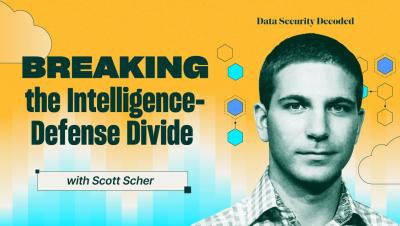
Breaking the Intelligence-Defense Divide with Scott Scher

Cyber threat intelligence is often misunderstood, seen as a niche reporting function instead of the connective tissue that links defenders, leaders, and strategy. In this episode of Data Security Decoded, join Caleb Tolin as he sits down with Scott Scher, a cyber threat intelligence (CTI) expert with an unconventional backstory, to explore how his off‑grid years shaped his view on resilience, why CTI should be seen as “counter‑threat intelligence,” and how intelligence defenders, and policy teams can work as one to turn raw data into actionable security decisions.