Security | Threat Detection | Cyberattacks | DevSecOps | Compliance

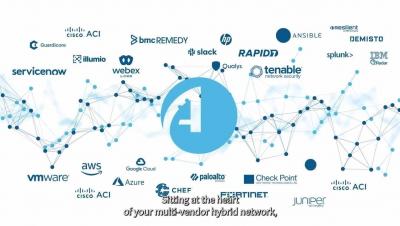
AlgoSec - a single solution to secure application connectivity and accelerate policy changes

AlgoSec lives at the intersection of your infrastructure, security policy and the applications that run your business. AlgoSec’s unique technology visualizes connectivity flows and security posture by listening to the network to associate security policy with specific applications. Additionally, AlgoSec integrates with leading ITSM, SIEM, vulnerability scanners, identify management, and orchestration systems to promote a holistic, more robust security posture.

Why Penetration Tests Alone Are Not Enough - The Importance of Tracking and Resolving Issues

Penetration tests are crucial to any organization's cybersecurity strategy, but they're not the whole story. Without a way of tracking and resolving the issues uncovered in these tests, they become nothing more than a snapshot in time. In the same way that software defect systems help organizations track and manage bugs, it's essential to have a system in place for measuring and addressing cybersecurity vulnerabilities. Whether deciding to fix the issue immediately or scheduling it for a future release, tracking and actioning findings is essential for staying ahead of potential threats.

Zero Trust at Scale in Federal: Powered by Tanium and Microsoft

The U.S. defense industry is one of the most high-profile and frequently attacked sectors in the world. Whether it’s the fault of nation-state actors, terrorists or even financially motivated cybercriminals, the stakes couldn’t be higher — for national security and battlefield success. The war in Ukraine has revealed how kinetic and digital capabilities are increasingly linked in offensive operations. But this isn’t just a Pentagon challenge. Sophisticated attacks are also increasingly targeting critical infrastructure providers in sectors like healthcare and financial services.

Implementing Security Controls

Defense-in-depth is the best strategy for reducing cybersecurity risk. Just like how a medieval castle uses layered defenses for its physical security, modern organizations implement layered security controls to protect the confidentiality, integrity, and availability of their information. The specific security controls implemented by an organization should be informed by its own risk appetite, regulatory requirements, and operational capabilities. This article covers different kinds of security controls organizations should consider adopting to protect their information assets.

Penetration Testing | Finding Skeletons Make You Stronger

Are you conducting regular penetration testing on your organization's security measures? If so, you might be missing out on a crucial step that could make you even stronger. In this video, cybersecurity expert Megan Brown shares her insights on why it's essential to proactively seek out and address any potential gaps in your security measures. As Megan explains, knowing where the bodies are - where the bones are buried - can help you identify areas of weakness and take action before they become a major issue. So why wait until it's too late?

Mapping the MITRE ATT&CK Framework to API Security

APIs have emerged as the leading attack vector and attack surface most targeted by cybercriminals. That's why it's important to understand the tactics and techniques used by attackers while they're targeting APIs. In this video, we help you achieve this level of understanding by mapping the MITRE ATT&CK framework to API security attacks.