Security | Threat Detection | Cyberattacks | DevSecOps | Compliance

Planning with AI: Minimizing Uncertainty, Maximizing Trust

Gal Peretz is Head of AI & Data at Torq. Gal accelerates Torq’s AI and data initiatives, applying his deep learning and natural language processing expertise to advance AI-powered security automation. He also co-hosts the LangTalks podcast, which discusses the latest AI and LLM technologies. To stay ahead of today’s threats, you must do more than keep pace — you need to equip your team with tools that enable smarter, faster responses.

How to Detect Insider Threats (And Stop Them From Happening)

In early 2022, a Yahoo employee, Qian Sang, exploited his access to confidential information, and stole the company’s AdLearn product minutes after receiving a job offer from a competitor. By the time the breach was discovered, the damage was extensive, costing the company millions in fines, legal fees, and lost business . This incident is not an isolated case.

RMM vs. Dedicated Patch Management Solution: Which Patching Strategy Is the Best Option for You?

As attacks grow increasingly unpredictable and complex, cybersecurity defense requires much more than a basic strategy; it demands a proactive approach that anticipates the adversary's every move. Many MSPs entrusted with this critical mission by customers must equip themselves with the right technologies that prevent, detect, and respond to potential attacks and adapt as environments and organizational needs change.

Cracking Braodo Stealer: Analyzing Python Malware and Its Obfuscated Loader

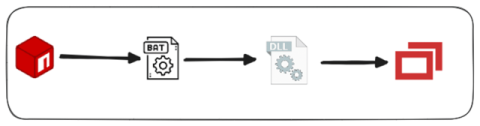
Braodo Stealer is one of the many active and evolving malware families designed to steal sensitive information, such as credentials, cookies, and system data, from compromised machines. Typically written in Python, this malware employs a variety of obfuscation techniques to conceal its true intentions, making it challenging for security solutions to identify.

What is DFIR?

As the threat landscape evolves alongside organizations’ move toward digital-first operations and cloud-based applications, part of a robust cybersecurity strategy becomes not just preventing attacks but knowing how best to respond if and when one occurs. That response, specifically digital forensics incident response (DFIR), is the key to mitigating and recovering from a cyber incident.

Privacy Engineering is Dead

In an era where data breaches, privacy violations, and regulatory fines dominate headlines, the need for robust privacy engineering has never been more critical. Yet, despite its growing prominence, privacy engineering is failing to meet the demands of businesses and consumers alike. To understand why, let’s explore what privacy engineering is, the challenges it faces, why its current state is insufficient, and the transformative shift needed to make it truly effective.

What is DSPT Compliance: From Toolkit to Audit (2024)

The Data Security and Protection Toolkit (DSPT), an online tool, is undergoing significant changes. From September 2024, the DSPT will now align with the National Cyber Security Centre’s Cyber Assessment Framework (CAF) to enhance cybersecurity measures across the NHS. This shift will impact many NHS organisations and require adjustments to their data security and protection toolkit strategies.

Securing Microsoft 365: Avoiding Multi-factor Authentication Bypass Vulnerabilities

Microsoft 365 is the standard in modern enterprise environments, offering a robust suite of productivity and collaboration tools. With millions of users accessing sensitive data from various devices and locations, security vulnerabilities can arise, making it highly attractive for cybercriminals seeking to exploit and steal valuable data.