Security | Threat Detection | Cyberattacks | DevSecOps | Compliance

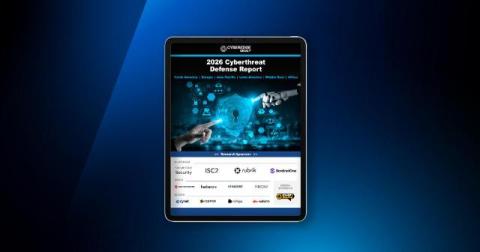
The $10 Million Question: Why Are 81% of Organizations Still Getting Breached?

We are living in a security paradox. Cybersecurity budgets are increasing, security stacks are growing more complex, and yet, the needle barely seems to move. According to the newly drafted 2026 Cyberthreat Defense Report (CDR), 81% of organizations experienced at least one successful cyberattack this past year. Even more concerning, the number of organizations suffering from six or more successful attacks is actually creeping up.

What is LearnDash? How does learnDash work in SSO?

LMS or Learning Management System is an e-learning technology that enables institutions or organizations to spread their courses virtually across the globe without the physical effort required in classrooms. It also allows the user to configure their content suited for their clients. LearnDash is trusted to control the learning programs for significant colleges, little to average size organizations, new companies, business people, and bloggers around the world.

Keycloak SSO with WordPress | Keycloak SAML Single Sign-On (SSO)

Keycloak isn't just another Identity Provider, it's a comprehensive open-source solution that handles authentication, authorization, and user management across your entire tech stack. When integrated with WordPress through SAML, it creates a seamless Single Sign-On (SSO) experience that eliminates password fatigue while giving you granular control over user access. Here's how to make it work for your organization.

How Single Sign-On (SSO) Makes Your WordPress Site Safer and Easier to Use?

Your WordPress site is more than just a website; it's the heart of your online presence. Keeping it secure and running smoothly is key to providing a reliable user experience. One way to simplify access and strengthen your site’s security is by using SAML Single Sign-On (SSO). But what exactly is SAML SSO, and how can it help protect your WordPress site? Let’s break it down.

CVE-2026-0300: Unauthenticated Root RCE via Buffer Overflow in Palo Alto PAN-OS User-ID Authentication Portal

CVE-2026-0300 is a critical buffer overflow vulnerability in the User-ID Authentication Portal (Captive Portal) of Palo Alto Networks PAN-OS. It allows unauthenticated remote attackers to send specially crafted packets and execute arbitrary code with root privileges on affected PA-Series and VM-Series firewalls. The flaw, actively exploited in the wild since early May 2026, stems from improper handling of input in the authentication portal service.

The VMware Exodus, the DR Gap It Exposed, and Why We Built Trilio Site Recovery to Fill It

Something significant is happening across enterprise IT right now — and I do not think it has been fully reckoned with yet. More than 5,000 organizations are actively evaluating or executing a migration away from VMware. The Broadcom acquisition changed the economics of VMware dramatically and abruptly. Licensing costs surged. Bundling decisions eliminated flexibility.

What It Really Takes to Secure a Major Championship

By the time a major championship begins, almost everything that can be controlled has already been decided. The course is set. Infrastructure is locked in. Staff, vendors, broadcasters, ticketing platforms, and payment systems are all live. Millions of transactions, digital and physical, will occur in a matter of days, under global scrutiny, with no margin for error. From a cybersecurity perspective, this is not a theoretical exercise. It is an operational one.

World Password Day 2026: Treat Identity as the Perimeter (and Act Like It)

World Password Day is no longer just a nudge to pick stronger passwords, it’s a moment to rethink identity. Attackers rarely “hack” systems today; they log in as you. Combine expert guidance on phishing, MFA, password managers, behavioral defenses, and new threats from AI and quantum computing to better secure your accounts now and for the future.

How to Talk to Your Board About System Hardening

You know your servers need hardening. Getting leadership to prioritise, fund, and support the effort is the harder challenge. Here’s our experts’ best advice for how to talk to the C-suite and board about the need for automated server hardening. You already know the servers are drifting. Configurations change. Exceptions pile up. Standards slip over time. The hard part is not identifying the problem.