Security | Threat Detection | Cyberattacks | DevSecOps | Compliance

Must-Have WAAP Features Healthcare Organizations Need in 2025

Hospitals, clinics, pharma companies and digital‑health start‑ups are now on the front line of application‑layer threats. Without purpose‑built Web Application and API Protection, vital services and patient safety are placed at risk. Some concerning stats.

How to Handle CMMC Scoping for Remote Employees

CMMC mandates that companies working as part of the government supply line need to comply with a level of security determined by their handling of controlled information. Identifying the level of compliance necessary for your business is the first step in achieving that compliance. The second step is scoping.

Nightfall's Spring 2025 Product Launch Brings DLP to the AI Era

The rapid adoption of AI, particularly generative AI tools like ChatGPT and Copilot, presents both immense productivity opportunities and significant data security challenges for organizations. While employees increasingly leverage AI for various business functions, this widespread use often occurs outside sanctioned channels, creating what's known as shadow AI.

Tips for choosing an AI-driven SIEM

Artificial intelligence is rewriting the rules for cybersecurity on both sides of the battle. Cloud adoption, a broadening attack surface, and AI-fueled cyber threats are driving organizations to rethink their approach to security. Discussions on the best way to adapt to a highly dynamic threat environment will naturally steer toward updating SIEM, as it is core to today’s security operations.

Pre-emptive Account Takeover Detection: 5 Steps to Expose Scammers Early

Modern security leaders know that account takeover detection (ATO) isn’t just about spotting a bad login. ATO attacks are part of a broader scam lifecycle – starting with phishing or impersonation, escalating into credential harvesting, and ending with unauthorized access. To stop ATOs effectively, security teams need visibility into this full progression, not just the login attempt. That’s why a true ATO prevention strategy starts long before a password is entered.

AppTrana's Enhanced API Protection: Complete Visibility, Instant Security

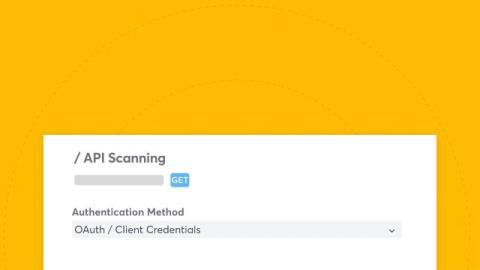
APIs are now prime targets for attackers, and as your API landscape grows, so does the challenge of securing it. AppTrana’s API protection just got more powerful—with new enhancements designed to deepen discovery, increase visibility, and strengthen security.

How to Stop Magecart and Enforce PCI & CSP Compliance

For modern e-commerce sites and retail platforms, protecting customer data requires more than backend firewalls—it demands visibility into the browser-side security layer. Increasingly, attackers like Magecart target this blind spot using malicious JavaScript, often injected through third-party scripts. These skimming attacks result in stolen payment data, financial losses, and compliance violations under both PCI DSS and the General Data Protection Regulation (GDPR).

Venom Spider Uses Server-Side Polymorphism to Weave a Web Around Victims

As part of our ongoing tracking of the threat actor TA4557 (also known as Venom Spider), the Arctic Wolf Labs team discovered a new campaign targeting corporate human resources departments and recruiters. The threat group uses phishing techniques to drop an enhanced version of a potent backdoor called More_eggs onto victim devices.

Why Microsoft Email Security Benefits from a Layered Approach

The best secure email gateways mimic the tried and true “defense in depth” cybersecurity strategy by using a layered approach, including advanced features that make effective use of AI. The results are compelling, especially when two email security tools are used together, such as employing an additional secure email gateway to augment Microsoft Defender for Office 365 email security.

AI Penetration Testing Fundamentals

With the increasing usage of AI systems in critical infrastructure and business operations, there is an inevitable need to secure these systems. AI pentesting is a domain-specific security assessment designed to identify and remediate vulnerabilities unique to AI systems, including machine learning models, training pipelines, and their underlying infrastructure.