There are countless tools and technologies available to help an organization stay on top of its IT assets, and a configuration management database (CMDB) is an extremely useful one. The database keeps track of relevant information regarding various hardware and software components and the relationships between them. It allows IT teams to have an organized view of configuration items (CIs) that can enable more streamlined processes when it comes to IT work.
These days, it’s not a matter of if your password will be breached but when. Major websites experience massive data breaches at an alarming rate. Have I Been Pwned currently has records from 705 sites comprising 12.6 billion accounts. This includes well-known names like Wattpad, Verifications.io, and Facebook.
Security teams are getting restless. Before founding Tines, I spent 15 years in the SOC leading teams charged with protecting organizations from ever-evolving threats. Over that time, the challenge facing SOC analysts became harder, not easier: workloads are increasing, but teams aren’t growing alongside them. SOC analysts are burning out as a result of tedious and repetitive tasks.
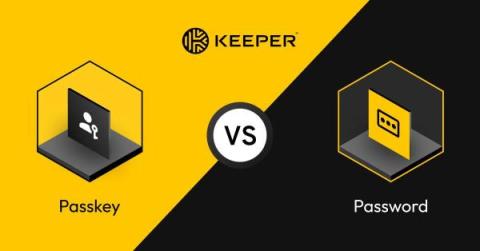
There are several ways in which passkeys are different from passwords in terms of how they are created, how they are filled into websites and how they are secured. Passwords are user-generated whereas passkeys are automatically generated using public key cryptography. Unlike passwords, passkeys are a new type of digital credential that is phishing-resistant and can’t be easily compromised. However, only a few websites currently support passkeys.
U.S. court employees need to access dozens of systems and applications in order to complete their duties. These employees may also have access to Personally Identifiable Information (PII), which must be securely stored and managed with strict access controls. Court systems need a way for employees to easily and securely access systems, and share passwords and files among teams.
Zero-days are out there. Lurking just under the surface, waiting for the right moment to strike. A security team can do everything right and still experience a zero-day attack in its supply chain. And with innumerable configurations, devices, and platforms that can be exploited, zero-day exploits are becoming more common than ever.