Security | Threat Detection | Cyberattacks | DevSecOps | Compliance

Why Determinism Is Still a Necessity in Security

Deterministic security tools, at this point, have become such a regular part of security that, for a long time, we weren’t questioning the alternatives. With AI becoming a core component of security with probabilistic models, it’s time to revisit determinism and get clear about what it’s needed for. Otherwise, why shouldn’t we just start replacing everything with AI?

Persistent XSS/RCE using WebSockets in Storybook's dev server

Aikido Attack, our AI pentest product, found a WebSocket hijacking vulnerability in Storybook's dev server that can lead to persistent XSS, remote code execution, and, in the worst case, supply chain compromise. Storybook's WebSocket server has no authentication or access control, so if the dev server is publicly accessible, an attacker can exploit this without any user interaction at all. In the more common local setup, a developer just has to visit the wrong website while Storybook is running.

Rare Not Random: Using Token Efficiency for Secrets Scanning

In Regex is (almost) All You Need, we learned that using a combination of regular expression patterns, entropy, and rule-based filters are an effective way to detect candidate secrets. Regex is used for casting a wide net to identify candidates. Entropy is used as a primary filter on the captured candidates and additional filters like presence of commonly used english words, or filtering on known “safe” files like go.sum are applied last.

What You Need to Know about the University of Hawaii Cancer Center Data Breach

The University of Hawaii Cancer Center is the only National Cancer Institute-designated cancer center in Hawaii. Located in Honolulu, the center employs over 300 faculty and staff conducting critical epidemiological research studying cancer risks across diverse populations. In August 2025, the Cancer Center fell victim to a ransomware attack that exposed Social Security numbers of up to 1.15 million people.

AI Can Scan Your Code. It Can't Secure Your Organization.

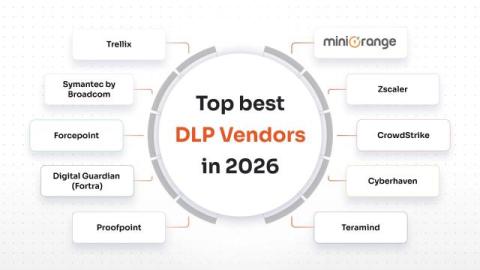
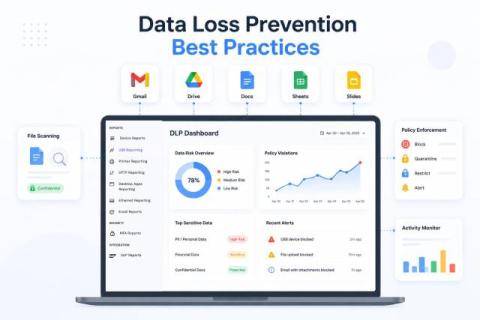
When Anthropic announced Claude Code Security on February 20th—a tool that scans codebases for vulnerabilities and suggests patches for human review—the reaction from markets was swift and brutal. Major cybersecurity names watched their stock prices fall by double digits within days. The implied thesis behind the selling: AI can now do what these companies do, so why pay for them? It's a compelling fear and an inaccurate conclusion at the same time. The DLP space is a clear example of why.

Azure VNET Outbound Access - Important Changes March 2026

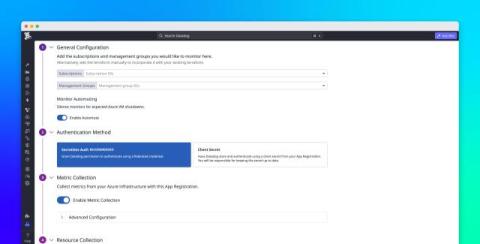
Microsoft is making a fundamental change to how outbound internet connectivity works for virtual machines within Azure Virtual Networks. From March 2026, default outbound access will be retired for new virtual networks, requiring organisations to explicitly design and configure outbound connectivity for their workloads.

Is TeraBox Safe for Your Cloud Storage in 2026?

TeraBox is a Japanese cloud storage company, offering the most free cloud storage available, at 1TB. While this may seem like an attractive offer, in exchange for this storage, your free plan includes promotional advertising, speed restrictions, and privacy concerns that may cause you to reconsider for a more private alternative. To help you understand more about Terabox, what it offers, its restrictions, and potential alternatives, we will cover the following throughout this article.

Protecting OpenShift Workloads Without the Complexity: A Conversation Worth Having

DevOps engineers running OpenShift know the platform well. They know how to build on it, scale on it, and operate it under pressure. What they often hit unexpectedly is the question of backup and recovery, especially once OpenShift Virtualization enters the picture. Most of the tooling that exists today wasn’t built with Kubernetes in mind. It was built for something else and extended toward it.

From Alerts to Action: Dynamic Prevention

In 2020, the SolarWinds compromise showed how far attackers can go when they look legitimate. Instead of breaking in loudly, threat actors tampered with trusted software updates and gained access that appeared routine to many defenses. The U.S. government later assessed that roughly 18,000 customers installed affected Orion updates, and a smaller subset experienced follow-on intrusion activity, often discovered only after time had passed.