Security | Threat Detection | Cyberattacks | DevSecOps | Compliance

Detecting CVE-2025-22224 with Falco

The Shadowserver group recently identified over 41,500 internet-exposed VMware ESXi hypervisors vulnerable to CVE-2025-22224, a critical Time-of-Check Time-of-Use (TOCTOU) code execution attack. The attackers who gain administrative access to a compromised VM can exploit this flaw to execute arbitrary code on the hypervisor, gaining full control over all hosted VMs and networked assets. Broadcom released emergency patches for ESXi and Workstation products to remediate the flaw.

SafeBreach Coverage for US CERT AA25-071A (Medusa Ransomware)

On March 12, 2025, the Cybersecurity and Infrastructure Security Agency (CISA), in collaboration with the Federal Bureau of Investigation (FBI) and the Multi-State Information Sharing and Analysis Center (MS-ISAC), issued a joint Cybersecurity Advisory (CSA) titled “#StopRansomware: Medusa Ransomware” (Alert Code: AA25-071A).

Top Checkmarx Alternatives for Application Security in 2025

Checkmarx is a popular SAST, DAST, and SCA provider that helps organizations detect and fix vulnerabilities and ensure application security. Its robust testing capabilities make it a go-to choice for many enterprises looking to integrate security into their DevSecOps pipeline. However, like all tools, Checkmarx has certain limitations. Some users find it expensive and complex to set up, while others report long scan times and occasional false positives, which slow down development workflows.

When It Comes To Website Takedowns, Speed Is Everything (well nearly ;))

Lookalike domains – meaning domains where threat actors host content designed to impersonate your business or brand – can be gravely harmful. “Look-alikes prey on users’ inattention to verifying legitimate websites, and sometimes rely on human mistakes, such as entering a typo in a URL, to capture victims,” as Dark Reading notes. The good news, however, is that lookalike domains can take some time to roll out fully.

What is Electron Software Framework? How Electron Works? Pros, Cons and Use Cases

Electron is a development platform developed by GitHub, and its primary purpose is to allow for the creation of cross-platform GUI applications based on Node. Js, HTML, CSS, and JavaScript. It was released in October 2013 for a gamma version; earlier, it was known as Atom Shell, which was a part of GitHub’s Atom text editor project. It has since become popular among developers and has been employed to develop numerous desktop applications based in industries.

Convergence of Cyber and Physical Security: Geolocation Data Hacks and Executive Protection Threat Implications

In today’s interconnected world, the convergence of cyber and physical security has become increasingly critical, particularly for high-profile individuals. The recent breach of Gravy Analytics’ geolocation data highlights the emerging threat of geolocation vulnerability and its potential impact on physical security.

Evidence Analysis: Unlocking Insights for Stronger Security Posture

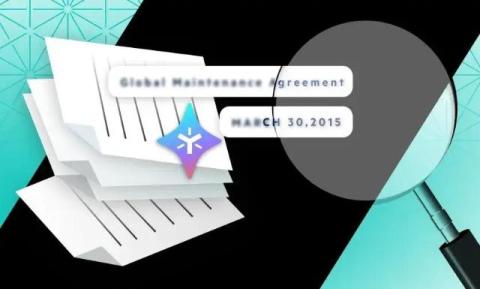
Navigating the maze that is vendor-supplied evidence is one of the most time-consuming and frustrating tasks security teams face during the risk assessment process. Imagine spending countless hours chasing down security information from a vendor only to receive a mountain of dense, unstructured (sometimes contradictory) documents. How can you possibly move forward? Security analysts have long dealt with this very problem.

What's Next for Banks Entering Crypto? Navigating The Risks

The evolving regulatory landscape surrounding digital assets presents a host of challenges for banks looking to enter the crypto space. While recent decisions have helped clear a path for banks to engage in crypto-assets and related activities, the regulatory environment remains fragmented, with federal and state authorities offering varying levels of clarity and approval processes.

PCI DSS SAQ A-EP: Secure Your E-Commerce Payments

The Payment Card Industry Data Security Standard (PCI DSS) is crucial for security compliance and regulatory compliance. Merchants who accept online payments should follow it as part of their security strategy to ensure safe transactions. This is especially true for those using the Self-Assessment Questionnaire (SAQ) A-EP. These merchants run complex e-commerce systems. They manage custom payment pages, interactive checkout flows, and work with third-party payment processors like Stripe or Square.