Security | Threat Detection | Cyberattacks | DevSecOps | Compliance

Fake VS Code Extension on npm Spreads Multi-Stage Malware

In a recent discovery, our research team uncovered a fake VS-code extension—truffelvscode—typosquatting the popular truffle for VS-code extension. This extension serves as a trojan horse for multi-stage malware. This blog takes a closer look at how the malicious extension operates, its obfuscation techniques, and IOCs related to this incident.

Experience Frictionless Access Without Sacrificing Security

Are you tired of hitting roadblocks just when you need to make critical updates? You’re rushing to resolve an issue, only to realize you’ve lost access to the Kubernetes cluster or database you need. You file a ticket, wait for IT approval, and hope it doesn’t take days—while your deadline looms. Sound familiar?

Shared Responsibility Model in Azure DevOps

More and more organizations opt for Azure DevOps to store their source code and project data. Azure DevOps has many benefits – from rapid application deployment and problem-solving capabilities to improved collaboration and communication at the workplace. Yet, they sometimes overlook one important issue – the Shared Responsibility Model. This is a framework which outlines the responsibilities of the user and the provider in regards to security.

The Truth Behind Successful Security Operations Centers (SOC) |Secrets of AppSec Champions

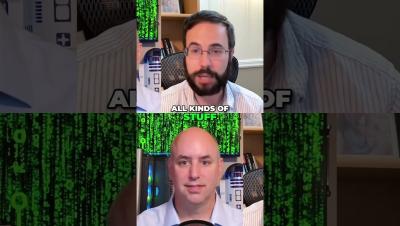
In this eye-opening episode, Reanna Schultz, an experienced Security Operations Center (SOC) team leader, pulls back the curtain on what makes a modern SOC truly effective. Drawing from her six-year journey through various cybersecurity roles, she reveals how SOCs serve as an organization's first line of defense against cyber threats.

Advanced container registry scanning is now available in ARMO!

Exciting news for ARMO Platform users! We’re thrilled to announce the new version of container registry scanning to our suite of security features. This powerful enhanced capability improves your container security posture by allowing you to detect vulnerabilities earlier in the development process.

Why securing cloud-native applications goes beyond AppSec?

In today’s landscape of microservices, Kubernetes, and cloud environments, attacks can come from multiple vectors, with varying degrees of complexity. Understanding these vectors and how to detect them is crucial for securing your infrastructure and applications. This post will explore various attack scenarios including SQL Injection and Cluster Takeover, structured around the 4 Cs of cloud security: Cloud, Cluster (Kubernetes), Container (workload), and Code (application).