Snyk Customer Story - Expel
Hear from Sam Brown, Principal DevSecOps Engineer at Expel, on how Snyk helps Expel build security into their engineering processes.


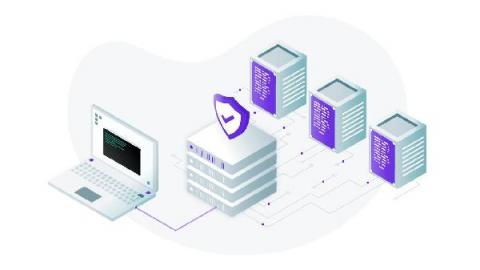
There is a growing discussion among network engineers, DevOps teams, and security professionals about the security benefits of bastions. Many assume that they are the “old way” of network access and have little relevance in the modern cloud native stack. These speculations are not irrelevant as in recent years, the corporate IT network perimeter as we knew it is diminishing, and the concept has been shifted to data, identity, and compute perimeter.
Snyk is on the mission to make Static Application Security Testing (SAST) tools work for developers throughout the DevOps pipeline. Snyk Code scans in real time with high accuracy — and it does it right from the tools and workflows developers are already using. For example, the IDE plugins for IntelliJ, PyCharm, WebStorm, and Visual Studio Code make it easy to code, scan and fix even before code hits the version management.
In April 2021, I discovered an attack vector that could allow a malicious Pull Request to a Github repository to gain access to our production environment. Open source companies like us, or anyone else who accepts external contributions, are especially vulnerable to this. For the eager, the attack works by pivoting from a Kubernetes worker pod to the node itself, and from there exfiltrating credentials from the CI/CD system.
We’re excited to announce two big updates to our Snyk User Content platform. You can now get better, quicker, clearer access to Snyk user documentation, allowing you to find the information you need, to get more and better use of your Snyk platform. This will help you implement, enable, and configure your Snyk integration, leading to a faster and smoother adoption and usage of Snyk at your company. Here are the enhancements to our User Content platform.