How to plan & manage your hardening project Infographic
Our team has more than a decade of experience in server hardening. We’ll help you determine the right policy to achieve maximum compliance with minimal efforts.


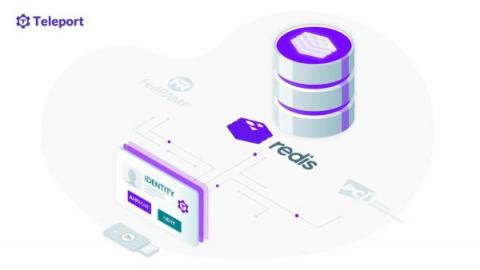
As part of our Teleport 9 release, we added support for three more databases: Redis, MariaDB, and Microsoft SQL Server. In this post we’ll cover the steps needed to protect your Redis instance using Teleport Database Access. Teleport Database Access allows you to easily secure your databases using security best practices such as identity-based SSO, short-lived certificates for engineers or service accounts, multi-factor authentication, RBAC, and audit of all access and queries.
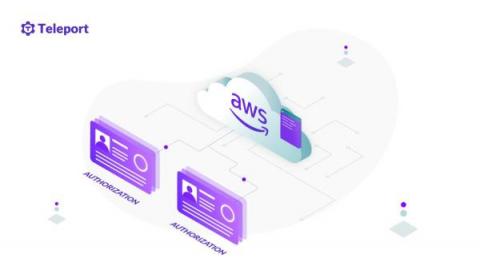
This blog is part three in a series about identity-based access and management of AWS resources. In Part I, we covered how to use OSS Teleport to access Amazon EC2 instances running in private subnets. Part II explained implementing identity-based access via SSO integration with Okta. In Part III, we will guide you through the steps to configure privilege escalation for just-in-time access requests.
We are excited to have Saiyam Pathak, Director of Technical Evangelism at Civo, sign up for CloudCasa and blog the simple steps required to complete a backup and restore of a Kubernetes cluster. For those that don’t know Saiyam, he has a passion for writing and talking about Kubernetes and cloud native technologies to make them more accessible for developers. Saiyam is a CNCF ambassador and a cloud native blogger with his own Cloud Native Simplified YouTube channel.
Automation is a key component of DevSecOps because it increases efficiency. Automating work in your software development lifecycle helps you integrate multiple tools into your workflow. It also lets developers, maintainers, and security champions focus on coming up with creative solutions for tough problems, rather than spending time on tedious manual tasks.
GraphQL is an API query language developed by Facebook in 2015. Since then, its unique features and capabilities have made it a viable alternative to REST APIs. When it comes to security, GraphQL servers can house several types of misconfigurations that result in data compromise, access control issues, and other high risk vulnerabilities. While security issues with GraphQL are widely known, there’s little information on finding them outside of using dynamic analysis.
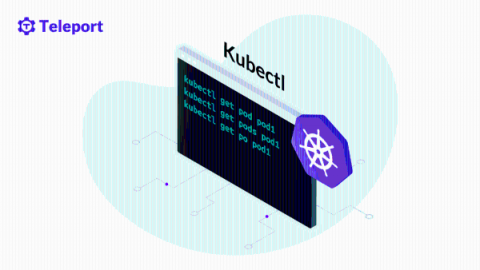
Kubectl is the default command-line tool for Kubernetes. It makes it easier to use the Kubernetes API and manipulate Kubernetes resources, allowing you to control Kubernetes clusters and run commands to deploy applications, manage cluster resources, and view logs. This guide will look at how best to integrate the most common and useful kubectl commands into your workflows, as well as provide some helpful tools for further optimization.