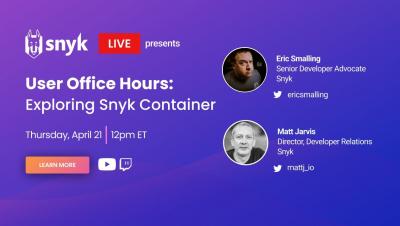
User Office Hours: Exploring Snyk Container
April 21, 2022 During this session we’ll explore how to get started with Snyk Container.


During application development, we often need to persist complex data (like objects) for use in different runtimes. However, maintaining persistence within complex data structures and objects is far from straightforward. In Python, you can use the built-in pickle library to handle this process. Pickle can serialize a Python object into a flat byte stream (pickling) as well as transform a byte stream back into a Python object (unpickling).
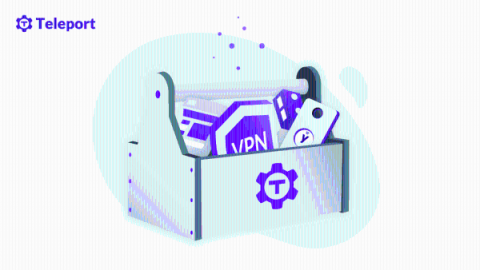
Many businesses use virtual private networks (VPNs) to provide secure remote access to their systems, but this has increasingly become a liability as more people switch to remote work. The greater demands placed on VPNs to offer safe access can expose organizations and employees to security vulnerabilities. In order to better protect their data and systems, organizations may need to seek alternatives to VPNs.
0:00 Teleport 9
9:57 Demo: MachineID
26:20 Demo: Accessing Redis using Teleport Database Access
https://goteleport.com/blog/machine-to-machine-access/
https://goteleport.com/docs/database-access/guides/redis/
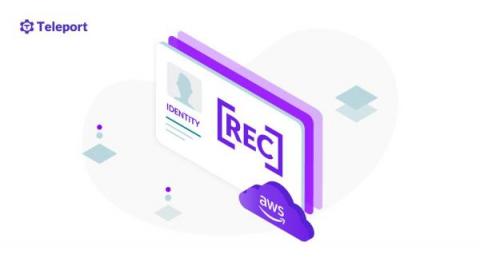
This blog is Part IV in a series about identity-based access management of AWS resources. In Part I, we covered how to use OSS Teleport to access Amazon EC2 instances running in private subnets. Part II explained implementing identity-based access via SSO integration with Okta. Part III covered the steps to configure privilege escalation for just-in-time access requests. In Part IV, we will guide you through the steps to configure SSH session recording and auditing.
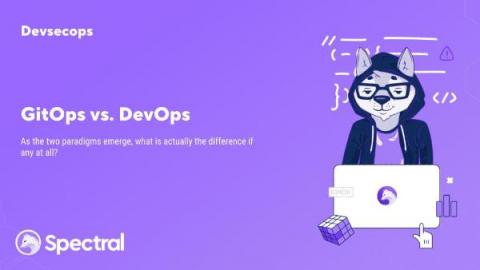
DevOps has been the methodology of choice among developers for over a decade. No doubt, it’s proven its efficiency and ability to speed up processes while uniting teams by promoting open communication and shared responsibility. But will GitOps steal the spotlight? We’re exploring the answer in today’s post by looking at these two methodologies’ similarities and differences, advantages, and limitations.
As Synk announces its support of unmanaged dependencies (mostly C/C++ libraries), we thought it would be beneficial to introduce our non-C community to some common, high-risk dangers that lurk in the C world (get it?). Think of this as a “beginners guide” to C and C++ vulnerabilities, how they look, what problems they may cause, and how to fix them.
Sysdig is pleased to announce that it has achieved Amazon Web Services (AWS) DevOps Competency for development, security, and operations (DevSecOps). This designation highlights the value provided by the Sysdig platform to AWS customers to achieve their DevSecOps goals. As a key partner for the ecosystem, Sysdig collaborates closely with AWS and its customers to enhance the protection of cloud infrastructure and applications against continuously evolving security threats.