When we began developing CloudCasa, a Software as a Service (SaaS) platform, for protecting Kubernetes applications, we looked at the data protection landscape and focused on areas that we could improve upon and give back to the user community. We wanted to provide them with a quick and efficient way in which they could start protecting this infrastructure with minimal effort, overhead, and most importantly minimal cost.
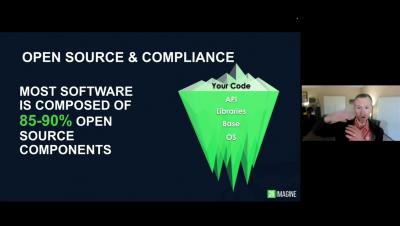
The software bill of materials (SBOM) has become an increasingly important tool for providing much-needed clarity about the components that make up software — both for application security purposes and governmental compliance. Unlike manual spreadsheets, SBOMs standardize everything into a particular format to minimize inconsistencies. There are three primary SBOM formats currently available, which allow companies to easily generate, share, and consume SBOM data.
In 2022, the adoption of infrastructure as code (IaC) soared, with IaC domain specific languages like HCL, Shell and GoLang gaining popularity and momentum across the open source tools ecosystem. In fact, the rise of Policy as Code is the result of a new paradigm blurring the lines between IT, legal and R&D departments – everything as code. But what do developers have to do with compliance and infrastructure provisioning? What does PaC entail, and what types of PaC are there?
RSA 2023 is a wrap, but that doesn’t mean we are finished with the annual event. Sharing information, success stories, and lessons learned lies at the heart of RSA. And after a week of talking to attendees and pundits, giving demos, and gleaning knowledge from a slew of sessions, it’s going to take some time to sort through all the treasure from that trove of knowledge. For starters, here are a few of the more noteworthy sessions we saw at the show.