Security | Threat Detection | Cyberattacks | DevSecOps | Compliance

The Latest Cybersecurity News & Insights From Around The World

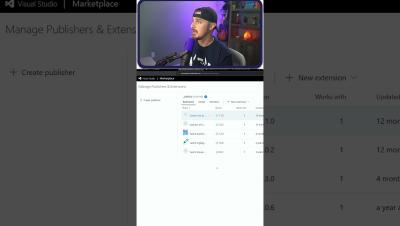
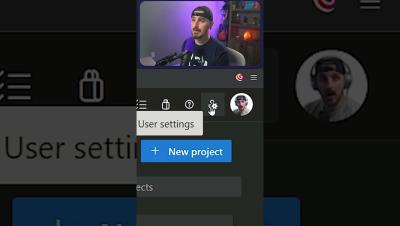
How to Create Azure DevOps Organization and VS Code Personal Access Token (Visual Studio Code)
Watch the full video for more... About Snyk Snyk helps you find and fix vulnerabilities in your code, open-source dependencies, containers, infrastructure-as-code, software pipelines, IDEs, and more! Move fast, stay secure.
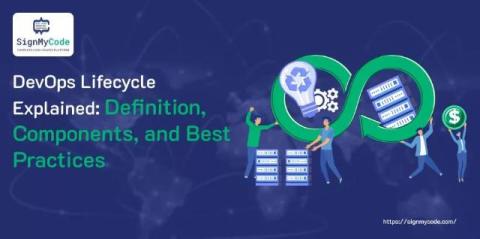
DevOps Lifecycle Explained: Definition, Phases, Components, and Best Practices
With constant developments being made in the area of software development, both development and operations teams are now inseparably tied in their processes, and this has become a vital factor for their success. In recent years, DevOps, a concept built from the words’ developer’ and ‘operator,’ was developed as a new way of working that intelligently integrates these two essential functions throughout the software delivery process.

Directory Browsing IIS - keep it behind closed doors
A website directory, also known as a virtual directory functions similarly to a folder on a local machine, however, it exists on the web server’s file system and provides a structured and secure way to organize website content on an IIS server. Website directories act as logical containers for all the files that make up your website, including HTML pages, images, scripts, music, configuration files, and application binaries. Permissions assigned to directories control access to their contents.
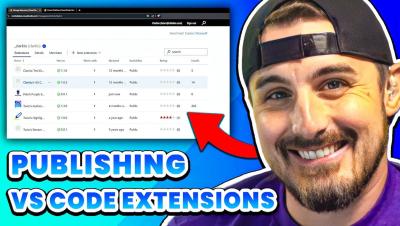
How to Securely Publish a VS Code Extension
Are you new to VS Code extension development? No Problem! in this video, we will show you how you can publish your extension and start showcasing your work to the world!
DiagTrack: Connected User Experience and Telemetry Service
In the age of software subscriptions, it is expected for over the air updates and bug fixes to happen instantaneously. To fix bugs and improve the user experience the software must be able to contact the creator to inform them of what is in need of optimization.
Access Credential Manager Trusted Callers and ICAM: Windows Security
Windows credential manager securely stores and manages user credentials such as usernames, passwords, and certificates. These credentials are often used to access various resources, including network shares, websites, and applications, facilitating access to information and managing digital identities.
Generate Security Audits - What you need to know
The Generate Security Audits security policy setting determines which accounts can be used by a process to generate audit records in the Security log. When certain events occur such as unauthorized access to a computer, file and folder access attempts and security policy changes, the Local Security Authority Subsystem Service (LSASS) writes these events to the log. This information in the Security log can be used to trace any unauthorized access to the system.

Using a Firewall to Prevent SSRF in Node.js
Watch the full video for more... About Snyk Snyk helps you find and fix vulnerabilities in your code, open-source dependencies, containers, infrastructure-as-code, software pipelines, IDEs, and more! Move fast, stay secure.

How to Make Sure Your JavaScript and Node.js Dependencies are Updated
Watch the full video for more... About Snyk Snyk helps you find and fix vulnerabilities in your code, open-source dependencies, containers, infrastructure-as-code, software pipelines, IDEs, and more! Move fast, stay secure.