Security | Threat Detection | Cyberattacks | DevSecOps | Compliance

Announcing Amazon S3 Protection with Rubrik Security Cloud

Data is at the heart of nearly every business operation, and it’s critical to ensure the security and integrity of that data. Amazon Simple Storage Service (S3) has long been a popular choice for organizations seeking a scalable, cost-effective, and resilient storage solution for their data needs. In fact, nearly one million organizations around the world rely on Amazon S3 to store hundreds of exabytes of unstructured, business-critical data.

Your Data Has Moved to the Cloud - Can Your Security Strategy Keep Up?

In today's world, data is the lifeblood of every organization. From intellectual property to employee and customer data to competitive intelligence and more — if your data is stolen, it's your reputation, money, and business on the line. But the way we store and interact with data has changed over the years. It's no longer located inside a perimeter, on networks and devices your organization has total control over.

SBOM as a Core Element in Sysdig's CNAPP Strategy for Enhanced Security

In the fast-paced world of application development, the use of open source components offers a quick path to building sophisticated applications. However, this approach introduces critical questions about software composition, licensing, and security. Before pushing any new application to production or even staging, the security and compliance teams alongside the application owner must address the following: This is where the importance of a Software Bill of Materials (SBOM) becomes clear.

AWS IAM Best Practices

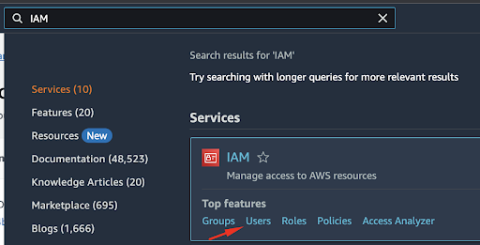
In today’s interconnected digital landscape, robust IAM (Identity and Access Management) practices are critical pillars of an organization’s cybersecurity strategy. IAM serves as the fortress guarding sensitive data, applications, and systems from unauthorized access or breaches. Implementing top-tier IAM practices ensures not only data protection but also compliance adherence and streamlined user access.

Cloud Security Best Practices

In the swiftly evolving landscape of technology, cloud computing stands as a pivotal innovation, reshaping how we store, access, and manage data across the digital expanse. This paradigm shift towards cloud services offers unparalleled efficiency and flexibility, transforming the very foundation of our digital interactions. However, this transition also introduces complex security challenges that demand a nuanced and proactive approach to safeguard sensitive information against cyber threats.

Fulfilling the promise of single-vendor SASE through network modernization

As more organizations collectively progress toward adopting a SASE architecture, it has become clear that the traditional SASE market definition (SSE + SD-WAN) is not enough. It forces some teams to work with multiple vendors to address their specific needs, introducing performance and security tradeoffs. More worrisome, it draws focus more to a checklist of services than a vendor’s underlying architecture.

KuppingerCole Names Sysdig a Product and Innovation Leader for CNAPP

The cloud security market is still maturing and growing at a rapid pace. New security jargon, solutions, vendors, and acronyms are constantly appearing, making it difficult to have a clear sense of what approach to cloud security is best for your own organization. Cloud-native application platforms (CNAPPs) are one of the most recent categories in this space.

Egnyte + Google Cloud

Secure sensitive data amid a frictionless collaboration experience with Egnyte and Google Cloud. Automate discovery, control and protection of data wherever work happens to simplify compliance and security processes. Protect data across multi- and hybrid cloud environments, reduce attack surfaces, and enact better data governance — all from a single control panel.

Introducing the SecOps Cloud Platform

Gone are the days of one-size-fits-all security solutions that do not adequately address the complexities of modern networks and evolving threats. These general-purpose tools lack the flexibility to adapt to your unique environment and specific needs. As a result, organizations end up with a fragmented collection of tools that need to be manually integrated and stitched together, leading to inefficiencies, gaps in security coverage, and extreme costs.

What is Azure Security? 7 Best Practices for Microsoft Azure Active Directory (AD)

Organizations are increasingly adopting cloud technologies, mainly to secure their sensitive data. But are these cloud infrastructures so secure? We all know that companies worldwide are challenged by the ongoing volume of evolving security threats and by retaining qualified professionals to respond to these threats. On average, large organizations get approximately 17,000 security alerts a week, and it takes 99 days to discover security breaches.