Security | Threat Detection | Cyberattacks | DevSecOps | Compliance

How to Manage APT Repositories on Debian or Ubuntu

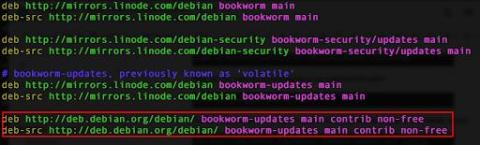
Jump to Tutorial Advanced Package Tool (APT) is the backbone of package management on Debian and Ubuntu systems. It simplifies the process of installing, updating, and removing software. APT works with repositories — designated locations that host packages and update information. Mastering APT repository management ensures you have access to the software you need and that your system remains secure and up to date.

Featured Post

SMEs Invest in Tech Opportunities but Risk Missing Security Safeguards

Across Europe, 100 million people are employed by small and medium-sized enterprises (SMEs). The UK has over five million SMEs, providing three-fifths of employment and £2.4 trillion in turnover. As a vital component in the national economy, SMEs must continue to invest in automation, technology-led innovation, and underpin this with strong security.

Which Cloud Provider Is Secure By Default?

Much like our own blood, data is the lifeblood that flows through the arteries of business today. Organizations must ensure that data is protected appropriately based on that data’s sensitivity, criticality, and regulatory or contractual requirements. These protections are provided through administrative, technical, and physical controls. The primary goal of these controls is to provide preventative, detective, or corrective capabilities.

The Urgent Need for Real-time Cloud Detection & Response

It is impressive how explosively the cloud security market has embraced detection and response in recent months. The industry, including both users and vendors, is rapidly acknowledging the complexity of modern cloud attacks. Facilitated by automation and APIs, attacks cannot be effectively countered with traditional solutions that lack context of cloud environments or focus solely on posture.

Mitigating a token-length side-channel attack in our AI products

Since the discovery of CRIME, BREACH, TIME, LUCKY-13 etc., length-based side-channel attacks have been considered practical. Even though packets were encrypted, attackers were able to infer information about the underlying plaintext by analyzing metadata like the packet length or timing information. Cloudflare was recently contacted by a group of researchers at Ben Gurion University who wrote a paper titled “What Was Your Prompt?

How to use Vanta and AWS to manage vulnerabilities

This blog is part of a series about how to use Vanta and AWS to simplify your organization’s cloud security. To learn more about how to use Vanta and AWS, watch our Coffee and Compliance on-demand webinar. ‍ Amazon Web Services, or AWS, is one of the most popular cloud providers for organizations today — providing one of the most flexible and secure cloud environments available.

Empowering Secure Cloud Adoption: A Response to the NSA and CISA Cybersecurity Guidelines

In the ever-evolving landscape of cybersecurity, the collaborative effort between the National Security Agency (NSA) and the Cybersecurity and Infrastructure Security Agency (CISA) in issuing five joint Cybersecurity Information Sheets (CSIs) marks a significant milestone in guiding organizations towards secure cloud adoption. These documents serve as a testament to the critical nature of securing cloud services in an era where digital transformation is not just an option, but a necessity.

What Is Linux Identity and Access Management?

Identity and access management (IAM) provides a consistent, centralized solution to manage user identities and automate access control throughout the organization. This helps security leaders introduce role-based access control and meet governance, risk, and compliance goals. Your organization may already have centralized management policies in place. For example, requiring employees to use a VPN when accessing company assets remotely shows an IAM solution in action.