Security | Threat Detection | Cyberattacks | DevSecOps | Compliance

Securing the future of AI Agents: Reflections from the Microsoft Build Stage

Standing on stage at Microsoft Build, surrounded by innovators shaping the future in the era of AI Agents, I felt equal parts inspired and responsible. Inspired by the rapid momentum around AI, and responsible for raising a flag about something we don’t talk about enough - how we secure the very systems that are now acting on our behalf. This post isn’t a recap, rather a continuation, a chance to go deeper into the story I shared (and the one we’re still writing.)
Welcome to Snyk Labs: Charting the Course for AI-Native Security

Software development is in the midst of a monumental shift, powered by the rapid advancements in Artificial Intelligence. AI isn't just changing how we build software; it's transforming the very nature of applications themselves. As AI-native applications become more prevalent, we're also seeing new, complex security threats emerge. Traditional security approaches aren’t designed for the dynamic and often unpredictable nature of Large Language Models (LLMs), agents, and other AI-driven systems.

CrowdStrike Elevates XIoT Security with AI-Powered Insights

As organizations increasingly rely on connected devices to drive efficiency and innovation, the Extended Internet of Things (XIoT) — covering industrial control systems (ICS), operational technology (OT), Internet of Things (IoT), and Internet of Medical Things (IoMT) — has rapidly expanded. This greater connectivity often drives increased vulnerability as critical assets are exposed to sophisticated threats.

How Do You Safeguard AI When Development Outpaces Security? With Ante Gojsalić - SplxAI

Generative AI is moving faster than our defences — can we catch up? In this episode of Razorwire, host James Rees (aka Jim) speaks with Ante Gojsalić, CTO and co-founder of SplxAI, to dissect the growing risks, complexities, and opportunities in securing AI systems before they outpace our ability to protect them.

Accelerating Security Operations with Splunk and Foundation AI's First Open-Source Security Model

Cisco Foundation AI’s Foundation-sec-8b model brings a new wave of innovations and efficiency to security operations. As a purpose-built, open-weight Large Language Model (LLM) designed specifically for cybersecurity, Foundation-sec-8b enables security teams to act faster, reduce fatigue, and scale operations without compromising accuracy.

Now Available: AI-Powered Data Loss Prevention for Microsoft Exchange Online

Organizations investing in Microsoft 365 E5 licensing expect enterprise-grade email protection. Yet despite premium security features, customer feedback reveals persistent challenges with Microsoft Purview DLP across Exchange Online environments. Microsoft deployment specialists report seeing clients deploy Purview on their own, discover a wealth of false positives, and turn off the policies or set them to audit mode. Policies never become useful.

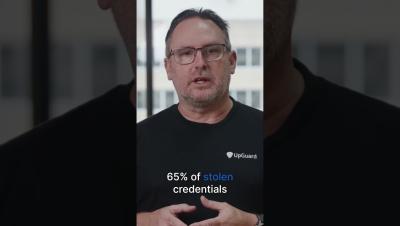
Our AI is scanning the dark web to recover stolen credentials right now. #cybersecurity #ai #vendor

Our AI is scanning the dark web right now — here’s what it’s finding. In this cybersecurity short, we give you a real-time glimpse into how AI-driven tools are monitoring the dark web for stolen credentials, emerging threats, and malicious activity before it reaches your business. From detecting leaked passwords to identifying early signs of cyberattacks, AI is transforming threat intelligence and external attack surface management (EASM).

Securing the Future: Ebikes in the Age of Smart Mobility

As cities get smarter and traffic gets worse, more people are turning to better ways of getting around. One option that's gaining speed fast is the ebike. These electric bikes are changing how we think about daily travel, offering a cleaner, quicker, and more affordable way to move. Whether it's cutting down on gas costs, avoiding traffic jams, or reducing your carbon footprint, ebikes are more than a trend, they're a smart solution for modern mobility.