Security | Threat Detection | Cyberattacks | DevSecOps | Compliance

Latest posts

Executive Brief: Choosing an Enterprise-Grade Threat Intelligence Platform

Not all threat intelligence platforms are created equal. With thousands of cybersecurity vendors in the market today, choosing the right one requires more than a list of features. It demands a close look at their technology, people, and long-term commitment to your success. A Threat Intelligence Platform (TIP) becomes a central part of your security stack. It brings together data, tools, and teams, turning scattered information into actionable intelligence.
Featured Post

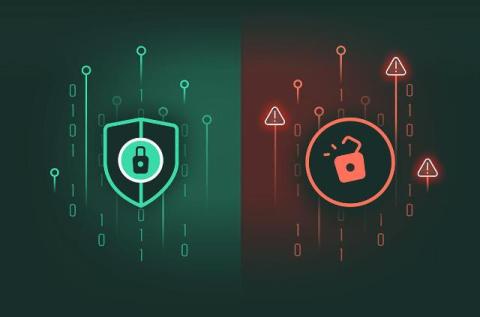
The Autonomous Shield: Cybersecurity in the Age of Automation and AI

As businesses adapt to an ever-evolving threat and regulatory landscape, it is widely accepted that the next big challenge lies in scaling cybersecurity to keep pace. In fact, organizations have never experienced the volume, velocity, and severity of attacks that we witnessed in 2024 and are continuing to see in 2025. You only have to look at recent high-profile cyberattacks on major UK retailers and manufacturers to appreciate how devastating such attacks can be, with consequences rippling across entire sectors.

Securonix

Securonix is transforming how security operations are delivered, measured, and scaled. Our Unified Defense SIEM combines SIEM, UEBA, SOAR, TIP, and TDIR in a single cloud-native platform that helps security teams detect threats faster, investigate with context, and respond with precision.

Zero Trust Engine

The Zero Trust Engine is a foundational component of the Netskope One platform. It plays a pivotal role in gathering comprehensive risk telemetry and delivering unmatched contextual awareness to enable adaptive, least-privileged access to users, devices, applications, and data. This live demo showcases examples of how the Netskope Zero Trust engine provides full visibility and control.

How cyber risk quantification transforms security decision-making

Security teams drowning in alerts, executives demanding business justification for security investments, and an attack surface that grows daily – sound familiar? While traditional vulnerability scanners excel at finding problems, they fall short when it comes to the critical question: which risks actually matter to your business? This is where cyber risk quantification and cyber risk scoring come in, transforming how organizations understand and respond to threats.