Mailchimp
Not subscribed to OpsMatters Newsletter


Table of Contents:
00:00 - Introduction
00:49 - Using Finders - Learn more on https://bit.ly/3tXaCTD
01:31 - Using Free Text Query - Learn more on https://bit.ly/3jQpcaS
02:02 - Modify column selection
02:45 - Unrevealed columns (Extra) - Learn more on https://bit.ly/2OI6abb
We are excited to introduce Calico Cloud, a pay-as-you-go SaaS platform for Kubernetes security and observability. With Calico Cloud, users only pay for services consumed and are billed monthly, getting immediate value without upfront investment.
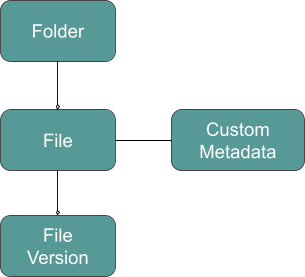
Egnyte is a unified platform to securely govern content everywhere. We manage billions of files and petabytes of content. One of the core infrastructure components powering such a scale is called MDB or metadata database. It is a cluster of hundreds of MySQL instances storing billions of metadata records. It stores information about files, versions, folders, custom metadata, and their relationships.
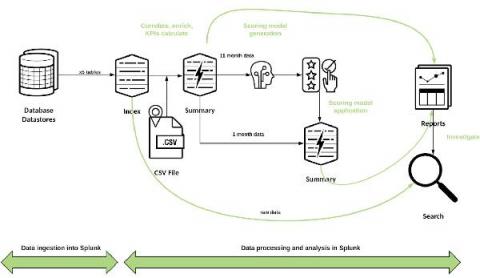
According to the Association of Certified Fraud Examiners, the money lost by businesses to fraudsters amounts to over $3.5 trillion each year. The ACFE's 2016 Report to the Nations on Occupational Fraud and Abuse states that proactive data monitoring and analysis is among the most effective anti-fraud controls.
A simple command-line interface (CLI) ping will give you details about your target IP address. However, you may have to input the ipconfig command, and then the arp-a command to fully discover the status of an IP, and this is just for one IP address. Now imagine doing this for an IP block of 300 IPs, or even 50 IPs, or doing the same task periodically to manage your IP pool of thousands of addresses and their metrics. Seems like an Herculean task for any network admin!
As the number of remote working arrangements rose substantially in the last year, cybercriminals were quick to take advantage of these new opportunities. Spam and phishing emails increased in number even more rapidly than telecommuting, and company cybersecurity officers found themselves struggling to keep up. Phishing emails often came with a sinister sidekick - a ransomware attack.
Software as a Service, also known as SaaS, is a cloud-based service model where a subscriber uses the software via an internet browser. This software could be anything from a simple application such as MS Word to complex business applications such as SAP. All the software tech stack or backend components are located on external servers maintained by the SaaS provider. Before diving into security in SaaS applications, let’s go through basics.
A news feed isn't complete if it isn't peppered with data breach news. Every day prestigious businesses are falling victim to a pernicious threat expected to cost the world $10.5 trillion annually by 2025. The key to overturning the formidable upward data breach trend is to prevent the events that could potentially develop into data breaches. All data leaks need to be identified and remediated before they are discovered by cybercriminals.
If you host a website, chances are good that you are running either Apache or Internet Information Services (IIS). Depending on the data source, they are two of the most common web server platforms, comprising a virtual triumvirate with Nginx for control of the market. They each also have their passionate supporters and haters. In fact, IIS vs. Apache flame wars are many times really spillover or proxy tirades of ‘Microsoft vs. Linux’.