Mailchimp
Not subscribed to OpsMatters Newsletter


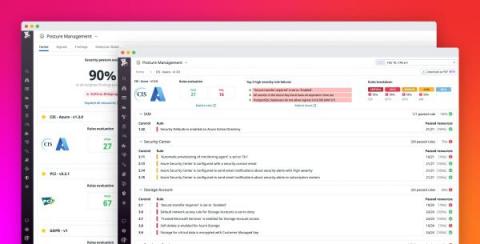
Governance, risk, and compliance (GRC) management presents some unique challenges for organizations that deploy a myriad of cloud resources, services, and accounts. Simple misconfigurations in any of these assets can lead to a serious data breach, and compliance issues become even more prevalent as organizations try to inventory and manage assets across multiple cloud platforms and security and auditing tools.
In the first article in this series we covered the basics. In the second article about the planning process, we covered how developers incorporate security at the beginning of their project. This article explores DevSecOps during the Continuous Integration (CI) phase of the coding process and how to protect the code from supply chain attacks, license issues, and theft. Developers are advised during planning to use secure coding best-practices during the coding process.
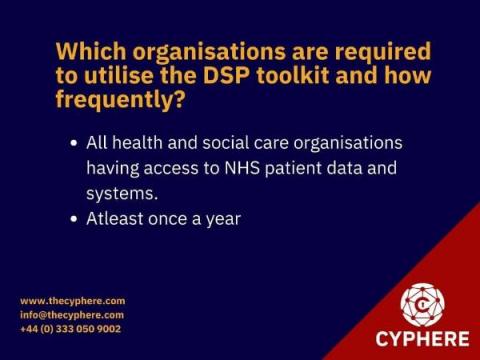
The Data Security and Protection Toolkit (DSP Toolkit) is an NHS operated online tool that enables organisations in benchmarking their security against the National Data Guardian’s 10 Data Security Standards (NDG Standards).
Web applications are continuously evolving due to the hypo-velocity of code changes and stream of new features and functionality leaving businesses exposed to application security risks. A new wave of automated pen testing conducted through a software as a service delivery model can help reduce this risk by providing automated vulnerability findings in real time.
As a former systems and network administrator, I understand the demands that are placed on today’s IT professionals. It’s true that skills gap continues to hamper IT and security personnel, for example. In early 2020, Tripwire revealed the results of a survey in which 83% of security professionals noted that they felt more overworked going into that year than they did at the start of 2019.