Mailchimp
Not subscribed to OpsMatters Newsletter


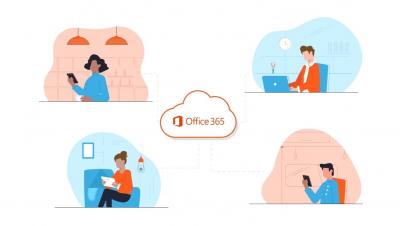
Speaking with clients, I find one of the biggest issues they struggle with how to properly secure Guest access in Microsoft 365 applications. While many organizations had already begun outsourcing their email to M365, most had really only begun looking at the rest of the M365 offering (Teams, SharePoint Online and OneDrive) when COVID hit. Most organizations wound up diving headfirst into this offering in an attempt to deal with the sudden need to work and collaborate with colleagues from home.
Schools and colleges were the worst hit by cyberattacks during the global health crisis in 2020. According to a report by GCN, ransomware attacks alone affected over 1,680 schools, colleges, and universities in the US. Such attacks also targeted 44% of educational institutions across the world. Schools worldwide are back to normal sessions and for many learners, that means spending hours online studying, doing homework, and submitting assignments.
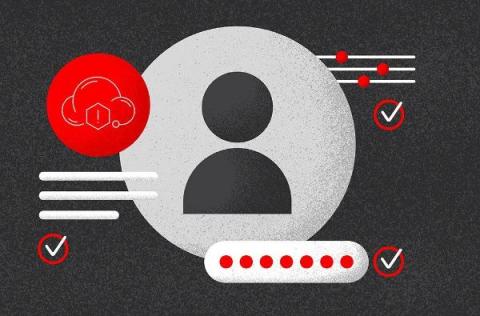
With so many ways to sign in to apps and services, there’s even more to keep track of. That’s why we’re introducing the ability to save and fill new kinds of logins in 1Password.
As your development and security teams grow, it becomes critical that each of your team members using Snyk has only the required permissions to do their job. You need to ensure everyone can perform their jobs with ease, while also avoiding security and compliance issues. A developer, for example, needs the ability to find and fix vulnerabilities in his code but should not be able to change Snyk billing details.
The threat presented by today’s adversaries is as pervasive as it is dangerous — eCrime and state-nexus actors alike are attempting to infiltrate companies and organizations of all sizes and across all verticals. While technology is a powerful tool for performing routine or repeatable analysis, the only way to effectively hunt and contain sophisticated and determined cyber threat actors is to use the expertise and ingenuity of human threat hunters.
Adversaries often exploit legacy protocols like Windows NTLM that unfortunately remain widely deployed despite known vulnerabilities. Previous CrowdStrike blog posts have covered critical vulnerabilities in NTLM that allow remote code execution and other NTLM attacks where attackers could exploit vulnerabilities to bypass MIC (Message Integrity Code) protection, session signing and EPA (Enhanced Protection for Authentication).
As cyber attacks and security breaches have increased in recent years, managing digital supply chain risks is becoming more difficult. Cybercriminals exploit vulnerabilities in the ecosystem of less secure suppliers and third-party vendors to gain access to larger institutions. These institutions need to look beyond their own cybersecurity maturity to be successful; cyber risks need to be identified across the ecosystem.