Mailchimp
Not subscribed to OpsMatters Newsletter


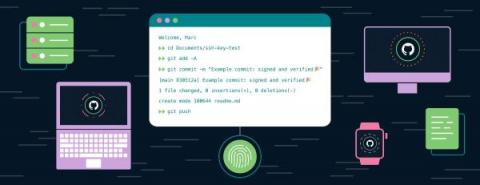
So 1Password CEO Jeff Shiner just committed code to one of my GitHub repositories. That’s strange. While he’s a developer at heart, I don’t think he gets much time to code these days. What’s going on here?
Keeper is pleased to announce significant new upgrades to the KeeperMSP Platform that offer robust security and compliance solutions through an expanded portfolio of Keeper zero-trust security capabilities. These market-leading features will help Managed Service Provider (MSP) partners oversee security and compliance for their customer base in an increasingly challenging threat landscape. These platform enhancements include the following powerful add-on features and products.
Passwords are everywhere — and nobody likes them. For users, they are a pain to remember and manage. For businesses, they continue to be a primary source of data breaches, both on premises and in the cloud. In fact, the 2022 Verizon DBIR reports that credential theft was involved in nearly half of all cyberattacks, including third-party breaches, phishing attacks and basic web application attacks.
Snyk Open Source supports C and C++ scanning for vendored open source dependencies via CLI — and we are happy to share that it is now available via our CI plugins as well. This guide will walk you through integrating C/C++ security scanning within pipelines to get vulnerability information and remediation advice directly to developers. Note that in the scope of this guide, we’ll refer to “C/C++” as just “C++”
Perhaps someone doesn’t answer a Slack message as quickly as they should, or they have long hours blocked on their calendar. Maybe someone doesn’t seem motivated during team meetings or they are slow to complete work. While research has shown that overall, productivity has actually increased as a result of the work-from-home movement, managers know all too well what it’s like to be suspicious that someone is taking advantage of their new work arrangement.
A ransomware gang that has been increasingly disproportionately targeting the education sector is the subject of a joint warning issued by the FBI, CISA, and MS-ISAC. The Vice Society ransomware group has been breaking into schools and colleges, exfiltrating sensitive data, and demanding ransom payments. The threat? If the extortionists aren’t paid, you may not be able to unlock your encrypted files, and the attackers may leak the information they have stolen from your servers online.
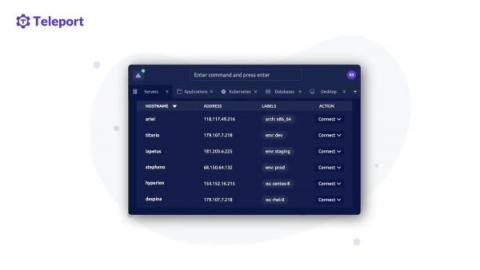
Teleport 10.2 was released on September 6th along with a lot of new features, bug fixes and improvements. This blog post will focus on two new features that deserve a deeper dive.