Mailchimp
Not subscribed to OpsMatters Newsletter


Inversion of control (IoC) techniques give developers a way to break out of traditional programming flow, and it offers them more flexibility and greater control over their code. Dependency injection, one form of IoC, is a pattern that aims to separate the concerns of constructing objects and using them. In this article, you’ll learn what dependency injection is, when you should use it, and what popular JavaScript frameworks it’s implemented in.
Today, web and mobile applications and API-based microservice endpoints are becoming the default. These applications are reachable through the HTTP web protocol. The encryption provided by a Secured Socket Layer or Transport Layer Security (SSL/TLS) is a must to secure the communication between client and server and across API back-ends. SSL/TLS are certificate-based encryption mechanisms. SSL has been the standard for over 20 years.
With the enormous utilization of the internet and business goals to save additional expenses, SaaS applications are coming to light. Such applications are now running in every organization, handling extensive confidential information. Therefore, it makes firms focus more on understanding SaaS application security. So, we have curated the most prominent SaaS app security aspects, covering the primary user’s perspective from each end. Let’s have a look at it.
This is the fifth of a six-part blog series that highlights findings from a new Mend white paper, Five Principles of Modern Application Security Programs. Be sure to look out for our upcoming blogs on each of the five principles. While IT and security professionals all generally agree that cyberattacks are on the rise, there remains a great deal of disparity in how they choose to prepare for those attacks.
You may have seen mention of a “passwordless future” – the concept of simpler authentication and no passwords. That future is rapidly approaching, and we’re excited to share a glimpse of it with you today.
As the new year draws closer, we’ve asked our experts here at Netskope to see what they have on their radar for 2023. Similar to years past, we’ve broken these predictions out into “Long Shots,” more out-there predictions we think could potentially happen in the next year, and “Trending Topics,” predictions around topics you may have seen discussed a bit this year but digging into how we expect them to evolve. Here’s what our experts see for 2023.
Citing senior Cybersecurity and Infrastructure Security Agency (CISA) officials, journalistsreported on November 8 that DDoS attacks had temporarily disabled the website of a state government. A group claiming to be pro-Russian hacktivists, CyberArmyofRussia_Reborn, claimed responsibility for that attack and another on the website of a U.S. political party’s governing body on the same day, specifying one target IP address for each organization.
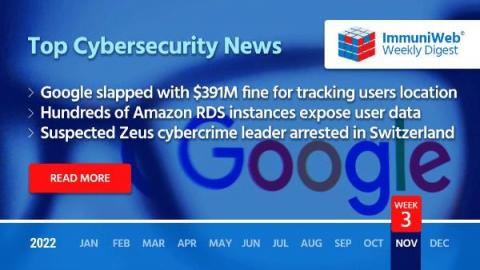
Read also: An FBI-wanted leader of the “Zeus” gang arrested in Geneva, hundreds of Amazon RDS instances leak personal data, and more.