Mailchimp
Not subscribed to OpsMatters Newsletter


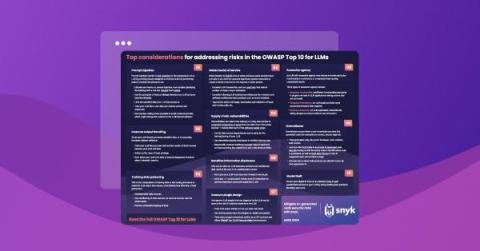
Welcome to our cheat sheet covering the OWASP Top 10 for LLMs. If you haven’t heard of the OWASP Top 10 before, it’s probably most well known for its web application security edition. The OWASP Top 10 is a widely recognized and influential document published by OWASP focused on improving the security of software and web applications. OWASP has created other top 10 lists (Snyk has some too, as well as a hands-on learning path), most notably for web applications.
What size Zero Trust would you like? Zero Trust Architecture (ZTA), and cybersecurity in general, would be easier if you could walk into a Zero Trust shop instead of navigating a human and technological minefield featuring confused executives, reluctant employees, and a buzzword-heavy Zero Trust vendor landscape. The fact that “humans don’t work in a Zero Trust manner” will not change anytime soon, but technology is something in your control.
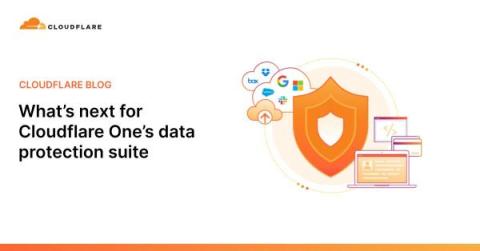
Today, we announced Cloudflare One for Data Protection — a unified suite to protect data everywhere across web, SaaS, and private applications. This suite converges capabilities including our data loss prevention (DLP), cloud access security broker (CASB), Zero Trust network access (ZTNA), secure web gateway (SWG), remote browser isolation (RBI), and cloud email security services. The suite is available and packaged now as part of Cloudflare One, our SASE platform.
Data continues to explode in volume, variety, and velocity, and security teams at organizations of all sizes are challenged to keep up. Businesses face escalating risks posed by varied SaaS environments, the emergence of generative artificial intelligence (AI) tools, and the exposure and theft of valuable source code continues to keep CISOs and Data Officers up at night.
The Trustwave SpiderLabs team conducted a multi-month investigation into the cyber threats facing the hospitality industry worldwide and has released a detailed report displaying not only how threat actors conduct attacks, methodologies used, but what organizations can do to protect themselves from specific types of attacks.