Mailchimp
Not subscribed to OpsMatters Newsletter


Organizations associated with developing executable files understand the need to secure the software supply chain. Numerous mechanisms, techniques, and tactics are available and followed for it. But, with the evolution of the industry, it’s time to get hands-on with a new-age solution known as DigiCert Software Trust Manager. It’s an all-rounder platform that helps you from the initial development phase to the continuous maintenance.
DigiCert offers a variety of platforms and solutions to gracefully organize and streamline the code signing certificate operations. DigiCert KeyLocker is one of the solutions in its exclusive catalog. SMEs and enterprises use it to ease their work and strengthen private key security, availability, and usage. Professionals prefer DigiCert KeyLocker as a must-have solution. If you are also looking for a cloud-based HSM, then you must undergo this blog, which offers insights about DigiCert KeyLocker.
Consider this: By the end of 2024, Gartner has projected that over 40% of enterprises will have explicit strategies in place for SASE adoption compared to just 1% in 2018. As the “poster child” of SASE (Forrester Research’s words not mine), Cato has seen first-hand SASE’s incredible growth not just in adoption by organizations of all sizes, but also in terms of third-party vendor requests to integrate Cato SASE Cloud into their software.
On December 15, 2023, the U.S. Securities and Exchange Commission (SEC) will be enacting new rules mandating corporations to disclose specific information related to their cybersecurity. These rules require companies subject to SEC regulation—essentially, any company that trades their shares on a U.S. stock exchange—to disclose details following a material security incident.
A malicious hacking group, thought to have been operating since at least 2013, may have suffered a significant blow after the arrest of a suspected leading member by Spanish police late last week. Spain's National Police arrested a Venezuelan man in Alicante on Thursday, in the belief that he is connected to the Kelvin Security gang.
The pace of software development is astounding! The transition to agile, DevOps, cloud, and the supercharged use of AI is empowering distributed development teams to build software with greater speed and autonomy. In contrast to the remarkable strides in development methodologies, maintaining a robust security posture has become a formidable challenge. AppSec teams are still playing catchup, both outnumbered and out-resourced.
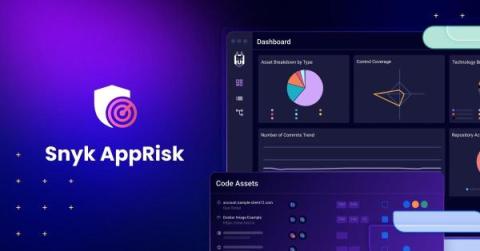
Snyk AppRisk provides AppSec teams with the comprehensive application security posture management (ASPM) workbench they need to govern and scale their security programs as well as minimize risk arising from applications.
In light of recent attacks against on-premises file server appliances affecting organizations of all sizes and industries, it has become clear that, in many cases, companies would be better suited to choosing cloud solutions for their secure data management needs. There are many great products on the market capable of providing easy access to files persisted in your local network.
This year will probably be remembered for the revolution of ChatGPT (the website was visited by 1.7 billion users in October 2023, with 13.73% of growth compared to the previous month) and for the widespread adoption of generative AI technologies in our daily life.