Understanding Zero Trust IoT Zero Trust IoT is a security model that requires every device to verify its identity and security before accessing any network resources. In simpler terms, it means that no device is automatically trusted, regardless of where it is connecting from. This approach helps to prevent unauthorized access and potential security breaches. With Zero Trust IoT, each device must continuously prove its trustworthiness, adding a layer of security to networks and data.
Data has become the lifeblood of modern businesses, influencing important business decisions and powering digital transformation initiatives. As more data comes in and new sources appear, it’s important to manage this valuable asset effectively. Here is where a strong data governance system comes into play.
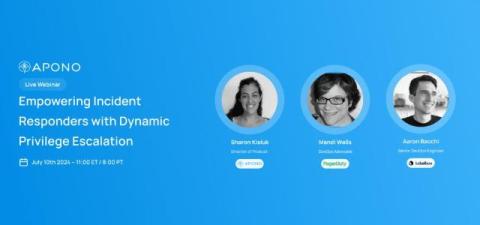
This webinar covers the story of how LabelBox utilized PagerDuty and Apono to create a new solution for resolving critical incidents faster and more securely.
Hear Labelbox’s Sr. DevOps Engineer Aaron Bacchi share his experience of building out a smarter break-glass infrastructure to respond to incidents by using PagerDuty and Apono.
In the past decade, organizations seeking to protect sensitive data from negligent or malicious insiders faced two choices: invest in a Data Loss Prevention (DLP) product or an Insider Risk Management (IRM) product. These solutions addressed the same problem from different angles. DLP products focused on analyzing data content to control its movement, while IRM products monitored user behavior for risky actions.
Watch the full video for more... About Snyk Snyk helps you find and fix vulnerabilities in your code, open-source dependencies, containers, infrastructure-as-code, software pipelines, IDEs, and more! Move fast, stay secure. Connect with Us Hashtags.
Watch the full video for more... About Snyk Snyk helps you find and fix vulnerabilities in your code, open-source dependencies, containers, infrastructure-as-code, software pipelines, IDEs, and more! Move fast, stay secure. Connect with Us Hashtags.
The high-profile case of hiQ Labs Inc vs LinkedIn Corporation (that took place in the US) shed light on the much-discussed data scraping legal issues. We know you don’t want to get lost in legalese. So, we have prepared an easy-to-read summary of the most important points of this decision. The court sided with the scraper and established that scraping public data is not a violation of the CFAA (Computer Fraud and Abuse Act).
Embracing artificial intelligence (AI) has become essential for organizations aiming to excel in today's competitive marketplace. Nonetheless, the swift transformation of regulatory frameworks around AI brings hurdles and opportunities. Watch this webinar to hear experts from IDC, Elastic, and Microsoft provide insights into the intricacies of AI regulations around the world. In addition, they will also discuss.