Security | Threat Detection | Cyberattacks | DevSecOps | Compliance

API Gateway vs. API Security #apisecurity #cybersecurity #architecture #devsecops

Your API Gateway Is Not an API Security Solution Confusing API management with API security is a costly and dangerous mistake. An API Gateway is a traffic controller, but it has critical blind spots: It authenticates users but doesn't analyze their behavior for malicious intent. It routes traffic but doesn't inspect payloads for complex attacks. It manages access but can't detect business logic abuse.

Why IoT in Your Supply Chain Still Poses a Serious Cyber Risk

In today’s digital economy, every organization—whether a law firm, retailer, or financial services provider—is now part of someone’s critical infrastructure. A dangerous misconception persists: that Internet of Things (IoT) devices and Industrial Control Systems (ICS) are only concerns for industrial or manufacturing sectors. In reality, these technologies are quietly embedded in everyday operations across nearly every industry.

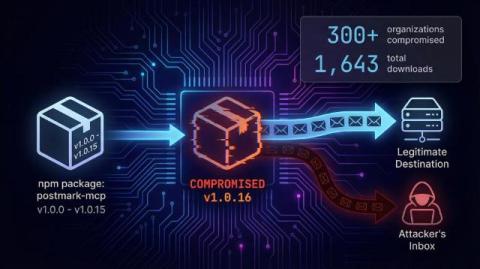
Cato CTRL Threat Research: Two Vulnerabilities in Anthropic's MCP SDK Enable OAuth Token Theft and Supply Chain Attacks

The SolarWinds supply chain attack in 2020 reminded the world how a single weakness in trusted software can have global consequences. That incident reshaped how organizations view software integrity and the importance of securing every stage of the development pipeline.

Mastering cloud app control, Part 2: Hardening login security

In Part 1 of the cloud app control series, we explored how SinaraTech, a mid-sized ecommerce company, implemented access control to help reduce shadow cloud app usage by blocking risky or redundant sites. But the story isn't over yet. The SOC team had more nuanced challenges to be addressed. Let's continue down the road to find answers to those challenges.

Human Risk Multiplier: How Mobile Devices Expand Enterprise Attack Surfaces

Modern businesses are more reliant on mobile devices than ever before. Employees need smartphones and tablets for communication, productivity, and even security authentication. As remote and hybrid work setups become more common, mobile technology is necessary for keeping workers connected to their organizations. At the same time, these devices expose a weak link in the cybersecurity chain: the human layer.

How Reach Security Automates Remediation and Prevents Configuration Drift

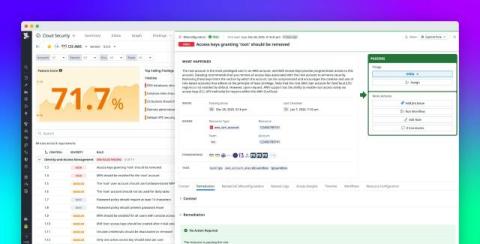
From identification to remediation to drift management. When Reach flags an exposure, it doesn’t stop there. It shows exactly how much risk you’ll reduce by fixing it — and what impact it’ll have on users. In this short demo, CRO Jared Phipps walks through how Reach:︎ Quantifies residual risk reduction (e.g., 62%, 91%, etc.)︎ Weighs that against user impact︎ Guides teams through the remediation process︎ Integrates with Jira or other ticketing systems to track fixes︎ Monitors configurations to prevent drift and maintain baselines.

From Model Drift to API Exploitation: The Next Challenge in AI Security

From Model Drift to API Exploitation: The Next Challenge in AI Security In this clip from "Securing AI Part 4: The Rising Threat of Hidden Attacks in Multimodal AI," Diptanshu Purwar and Madhav Aggarwal summarize why external guardrails are the only sustainable defense against the new wave of AI exploitation. Jamison Utter then sets the stage for the next topic in the series: securing the fundamental protocols and APIs that AI agents rely on.

OWASP Top 10 Business Logic Abuse: What You Need to Know

Over the past few years, API security has gone from a relatively niche concern to a headline issue. A slew of high-profile breaches and compliance mandates like PCI DSS 4.0 have woken security teams up to the reality that APIs are the front door to their data, infrastructure, and revenue streams. OWASP recently published its first-ever Business Logic Abuse Top 10 List; a clear indication that the industry is taking API security and all its nuances seriously.