Security | Threat Detection | Cyberattacks | DevSecOps | Compliance

Building the trust layer for AI, so you can go all in

AI adoption is moving faster than most organizations can govern it, and GRC teams need visibility into what AI exists, what it can access, and whether it's operating within company policy. In this demo, you'll get a first look at Vanta's vision for AI Governance. See how Vanta helps organizations discover AI across their environment, understand the risk and context behind every AI system and agent, and continuously demonstrate trustworthy AI practices.
Featured Post

Solving the SOC Data Dilemma: Maximising Detection Without Maximising Cost

Today's Security Operations Centres (SOCs) operate under the pressure of data proliferation, high alert volumes, and tight budgets. Most SOC leaders face a data dilemma: they must choose which data to analyse and which to ignore. That choice directly determines threat detection capabilities and impacts the security posture of the business.

AI Agent Authentication: An InfoSec Guide

AI agent authentication is the process of verifying that an autonomous agent is the identity it claims to be before it interacts with infrastructure, applications, APIs, or data. Because agents often act on behalf of users, services, or workflows, authentication must be paired with delegated context and downstream authorization controls that determine what the agent is allowed to do, which resource it can access, and how long that access should last.

TITAN AI Demo Series: Detect and Respond to Zero-Days across Your Supply Chain with TITAN MAX

When a new zero-day drops, security teams need one answer fast: which vendors are exposed right now? Most teams find out weeks later, once a vendor questionnaire finally catches up. SecurityScorecard's MAX applies live threat intelligence to your vendor ecosystem instead, flagging exposed vendors the moment threats emerge and engaging them directly to drive remediation. In one case, MAX helped a large bank reach a 70% vendor engagement rate. High- and critical-risk vendors dropped 80%, without adding internal resources.

How to Control AI Assets Before They Become Shadow AI

A developer on your team just told Claude Code to connect to a new MCP server, the protocol coding agents use to reach organizational tools and data. Nobody in security reviewed it. Nobody in security even knows it happened. For two-thirds of enterprises, the primary obstacle to scaling agentic development isn’t budget or headcount — it’s security risk.

Solving the identity debt crisis with a One Identity platform approach: IGA, PAM and AD

Identities in the modern enterprise are increasingly less human and more autonomous, powered by the rise in AI agents, APIs and other non-human identities (NHIs). The result is often an entitlement sprawl, where operations take place without human oversight and with privileged access. This non-linear evolution has meant many businesses have had to respond using bolted-on tools, rather than one unified, enterprise-grade platform.

DORA Compliance for Mobile Apps: Mapping Security Findings to Regulatory Requirements

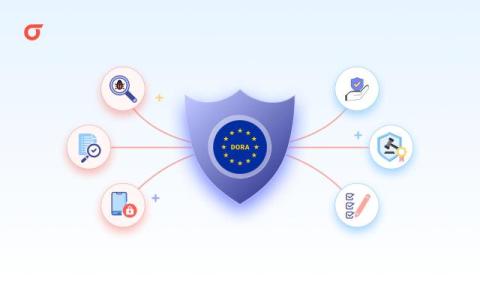
DORA compliance for mobile applications is the process of identifying, testing, and documenting mobile ICT risks in line with Regulation (EU) 2022/2554, covering Articles 8, 9, 10, 24, and 25, through vulnerability assessments, security testing, and audit-ready evidence generation that financial institutions can present to regulators, auditors, and internal governance bodies.