Security | Threat Detection | Cyberattacks | DevSecOps | Compliance

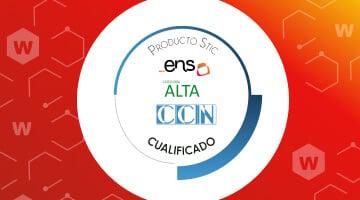
AuthPoint Earns ENS High Qualification from Spain's National Cryptologic Centre

Every MSP has heard the question in some form: how do you know this actually works? For most security products, the honest answer is a mix of vendor documentation, analyst reports, and your own experience. All useful, but none of it is a verdict from someone with no stake in the result. Spain’s public sector works differently. When government agencies there buy security products, they look to CPSTIC, a catalog run by Spain’s National Cryptologic Centre (CCN).
Agentic Trust Controls in Vanta

Agentic Trust Controls started as an open-source project to help teams manage AI agent risk. The community helped shape it, and now, we’re bringing it into Vanta. With mapped tests and documents, teams can put ATC into practice and demonstrate what’s working, on its own or alongside frameworks like ISO 27001 and ISO 42001. Thank you to everyone who contributed. Here's to the next chapter of ATC!

CrowdStrike Achieves NCSC CIR Enhanced Level Assurance

Some cyber incidents leave no margin for error, whether that's an attack that interrupts energy, water, or financial services, or a breach that triggers reporting obligations in several jurisdictions within hours. The UK National Cyber Security Centre (NCSC) created the Enhanced Level of its Cyber Incident Response (CIR) scheme for incidents like these. It recognizes providers that meet rigorous standards for high-quality incident response, at the highest level of risk.

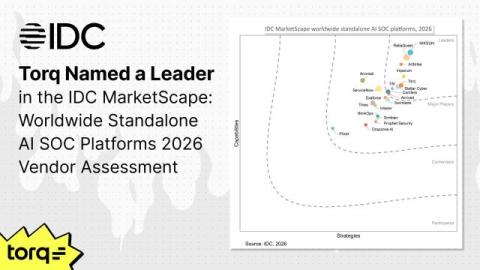
Torq Named a Leader in IDC MarketScape: Worldwide Standalone AI SOC Platforms 2026 Vendor Assessment

Chris Kissel, Vice President of IDC Security & Trust, just drew a line in the sand for the AI SOC category with one simple sentence: “Vendors that can show their agents reason transparently, act within defined guardrails, and improve with each investigation will define this category. The rest will be measured against them.” We couldn’t agree more.

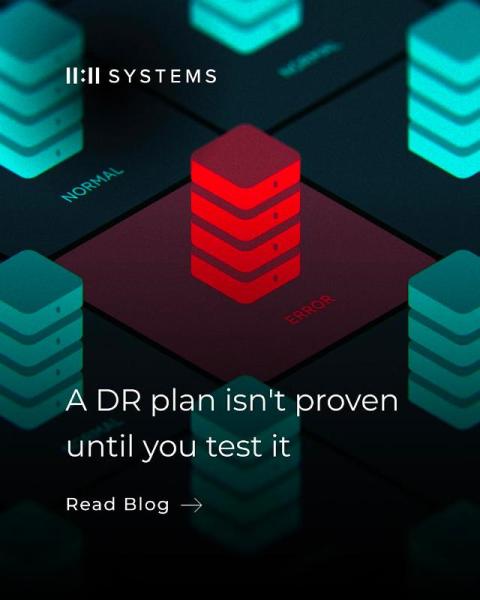
A DR plan isn't proven until you test it

The quick answer: A disaster recovery (DR) plan is only a hypothesis until it’s tested under real conditions. Regular, scoped DR and cyber recovery testing, covering people, dependencies, data, and systems, exposes the gaps that a written plan can’t reveal. 11:11 Systems helps IT and business continuity leaders validate recovery readiness before a real incident forces the issue. Think of a DR plan like a fire escape map taped to the back of a hotel room door.

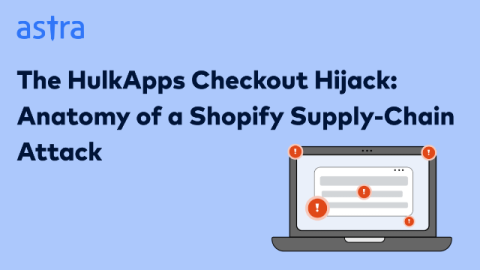
Inside the HulkApps Shopify Checkout Hijack

Shopify phishing has evolved from the laughable “Dear Shopify Merchant” email into one of the most reliable account-takeover vectors in ecommerce. On the same pattern, Shopify shops have recently been hit with a checkout hijack campaign running through HulkApps, Swym, and Selleasy extensions, where shoppers on legitimate stores were redirected to a fake payment page on biliingtop that captured their card details before forwarding them to the real Shopify checkout.

Federal Breaches Continue: Why Identity and Access Management Matters Now More Than Ever

Federal agencies are facing a critical reckoning with cybersecurity. In the past year alone, high-profile breaches have exposed millions of Americans’ personal data, compromised sensitive intelligence networks and revealed significant gaps in access control practices across some of the government’s most trusted institutions.

LimaCharlie Code Security marks a fix verified only when production runs it

Co-founder and CCO Most code scanners stop at a merged pull request. LimaCharlie Code Security keeps going until the fix is running. Code Security is now generally available in the LimaCharlie Cloud Security extension. It scans GitHub, GitLab.com, and Bitbucket Cloud repositories, ranks code findings next to your cloud risk, and checks every fix against what your workloads actually run. Most code security tools declare victory at merge.