Sharing Links from Your Desktop
Easily share access to Egnyte content without ever leaving your desktop!


Keeper is never at rest, continually adapting, updating and upgrading our products and services to best meet our customers’ needs, which is why we’re excited to announce two new cloud data centers in Canada and Japan.
As we enter the thick of budget season, especially in a time where budgets are expected to start tightening, security and IT leaders need to anticipate the discussions they are going to have with executive leaders. This means proactively preparing a formal business case for the security program to ensure funding for upcoming projects.
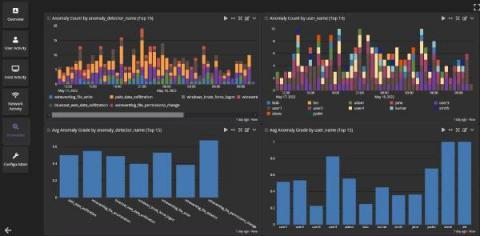
Security teams need the ability to model their complex organizations by splitting data across multiple tenants while maintaining complete visibility throughout the entire infrastructure. At the same time, they must keep data segregated to maintain security and meet data residency and compliance requirements.
An identity breach is an identity-based impersonation attack in which a hacker exploits vulnerabilities to obtain PII (personally identifiable information), contact information, credit card numbers, and important credentials like passwords and usernames to commit identity theft, identity fraud, or other cybercrimes without the victim’s knowledge. Using stolen information from a data breach, cybercriminals may attempt to steal classified information or money from the victim.
In workplaces of the past, IT teams could afford to trust the devices in their network because they knew them. After all, they issued and managed them. But today’s work environment makes trust a little difficult. From work from home to the vast expansion of enterprise applications, IT and security teams have a whole new set of cybersecurity challenges to mitigate. Your workers are human and are subject to human error. Phishing attempts are not always easy to spot.
As cyber threats intensify and the human and financial resources available to deal with them remain limited, there is a growing need for automation in cybersecurity. The intelligent automation of key cybersecurity processes can significantly improve an organization’s posture and at the same time support under-pressure employees by reducing reliance on manual processes.
IoT device lifecycle management is the process of managing the entire life cycle of an IoT device, from conception and design to manufacturing and distribution, to installation and eventual decommissioning. The goal of IoT device lifecycle management is to ensure that devices are properly managed throughout their lifespan to maximise their operational efficiency and longevity.