Retail and Hospitality Outpaces Other Sectors in Fixing Software Security Vulnerabilities, According to Veracode
Findings from Veracode research show sector could improve security with DevSecOps.


Once again, to mark Data Privacy Day (or Data Protection Day in Europe), we have released a new update to the Data Privacy Periodic Table – our industry-renowned open project to create a regularly-updated digestible guide to the confusing world of data privacy. You can download the latest version of The Data Privacy Periodic Table, here. This is its sixth update, and roughly three and a half years after its launch in September 2018, what have we learned?
A new administration in the most influential economy in the world triggers news hopes and expectations in every industry. But if major change were to be on the agenda, what would be the most beneficial, transformative, impactful or prudent new data privacy initiatives that the new US administration ought to introduce? Here’s my top three: The obvious – and trickiest – first area for the new administration is a federal privacy law.
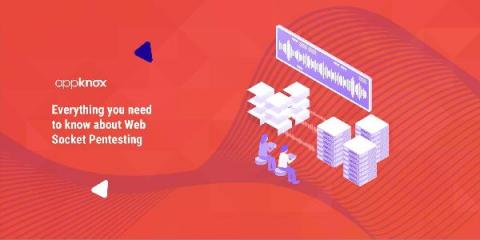
WebSockets is a bi-directional, full-duplex communications protocol initiated over HTTP. They are commonly used in modern web applications for streaming data, Chat applications, and other asynchronous traffic. It is a protocol where the client and server can send the messages simultaneously over the channel.
It's no longer enough to simply ensure that your organization's systems and enterprise web presence are secure. Your risk management program needs to look beyond the perimeter of your organization to properly vet the third and fourth-party vendors who will have access to your data without being subject to your internal risk management process. The use of third parties in your supply chain or for data handling create potential risks that can be compounded by these third-party weaknesses.
I write a lot about how organizations can secure their workers as they start using tablets and smartphones more for work. The truth is, the legal professional has been ahead of that curve for years. Even before smartphones were introduced over a decade ago, lawyers, paralegals and legal staff were already using cellphones to stay on top of case work. Now, with smartphones and tablets, your law firm’s staff can do everything they used to do in an office from wherever they go.