How Do BitSight Advisor Services Differ From a Larger Consulting Firm?
Learn how BitSight Advisor Services differ from larger consulting firms by improving effectiveness and efficiencies in the information security risk domain.


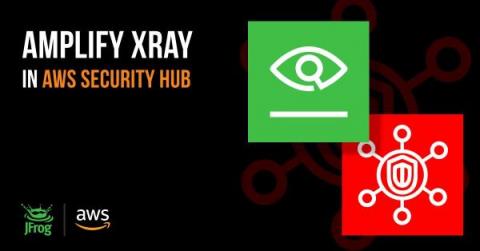
SecOps demands vigilance, but it requires visibility, too. With JFrog’s latest integration for Xray with AWS Security Hub, you can help make sure that discovered vulnerabilities are not just seen, but quickly acted on. AWS Security Hub is the cloud security posture management service available to AWS users. It provides central security administration across AWS accounts, performing security best practice checks, aggregating alerts, and enabling automated remediation.
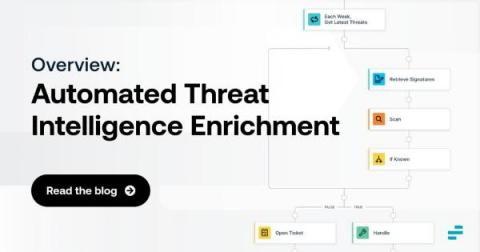
Discovering security threats is good and well. But, in many cases, simply knowing that a threat may exist is not enough. Instead, you also need threat intelligence enrichment. Threat enrichment plays a critical role in helping to evaluate and contextualize threats, root out false positives and gain the insights necessary to mitigate risks as efficiently and quickly as possible.