Security | Threat Detection | Cyberattacks | DevSecOps | Compliance

How New Technologies Are Redefining Disaster Recovery Strategies for SMBs

Disasters such as cyberattacks, hardware failures, and natural calamities can easily derail your small or mid-sized business operations. The shield between a company and these types of threats is having a solid disaster recovery (DR) plan. As outlined by the Federal Emergency Management Agency (FEMA) of the U.S., about 25% of small businesses never recover from a great disaster. This heightens the stakes considerably. Thankfully, innovative technology is revamping disaster recovery by offering quicker, more intelligent, and economical ways to protect an enterprise.

11:11 Systems Named an Aspiring Provider in the 2024 Gartner Peer Insights Voice of the Customer for Disaster Recovery as a Service

11:11 Systems named an Aspiring Provider in the 2024 Gartner Peer Insights™ Voice of the Customer for Disaster Recovery as a Service (DRaaS) report. This marks the second consecutive year that 11:11 has been included.

Disaster Recovery Services: A New Standard for Digital Asset Security

It’s common for many organizations to postpone establishing a robust Disaster Recovery Program until after their product is already in the market. While development and operational builds are critical for launching an outstanding product, disaster recovery planning often gets sidelined. However, it’s increasingly important for institutions to prioritize the safekeeping of private key materials, which are crucial for accessing and managing digital assets.

Become The Master Of Disaster: Disaster Recovery Plan for DevOps

Ensuring business continuity requires more than just robust pipelines and agile practices in DevOps. A well-designed Disaster Recovery Plan is critical to mitigate risks, recover swiftly from failures, and ensure your data and infrastructure integrity. Contents hide 1 Are there any myths related to DR in DevOps?

Meeting DORA compliance made simple: BackupVault uses Acronis Advanced Disaster Recovery

Cyber resilience keeps taking center stage. One of Europe’s compliance regulations, the Digital Operational Resilience Act (DORA), is doubling down on financial organizations. Established in 2022, DORA was created to address critical gaps in EU financial institutions that elevate information and communication technology (ICT) risks. The new rules taking effect meant that businesses were up against the clock to satisfy DORA requirements.

Disaster Recovery Planning: Getting Started

As organizations face the imminent threat of an IT service outage or cyberattack, they often fail to step back and understand how well they've planned to deal with the crisis. According to recent research, we know that: Perhaps the most regrettable part of it all? Almost half (45%) of these organizations already acknowledge the inadequacy of their disaster recovery capabilities.
Featured Post

The Role of Data Recovery in Cyber Resilience

Data Recovery is the key to achieving an effective cyber resilience strategy in the event of a cyber-attack to resume business operational resiliency. It empowers businesses to quickly recover their critical data, minimise downtime, and prevent against potential threats. Data recovery planning is crucial for business continuity, allowing organisations to seamlessly recover data and minimise the impact of an incident.

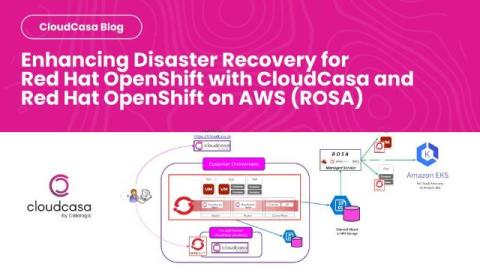
OpenShift Disaster Recovery: Ensuring Business Continuity

What happens if your critical OpenShift applications suddenly crash due to a major system failure or cyber attack? How fast could you bounce back and get things running again? Having a solid OpenShift disaster recovery plan isn’t just a nice-to-have — it’s essential for keeping your business going when the unexpected hits. This guide walks you through the key elements of building a strong disaster recovery setup for your OpenShift environment.

Microsoft Word's recent glitch deleted documents when saving them

Have your users spent hours working on a document in Microsoft Word, only to have it disappear when they try to save it? A recent bug in Microsoft Word, highlighted by Bleeping Computer, caused Word documents to be deleted instead of saved, leaving users frustrated. For IT administrators, it is vital to address these issues and educate users within the organization about best practices to reduce data loss and ensure business continuity.