Security | Threat Detection | Cyberattacks | DevSecOps | Compliance

Why Healthcare Needs DevOps Backup And DR Strategy

There is a critical speed-control paradox in the healthcare DevOps landscape: while DevOps best practices dramatically cut software delivery cycles, a lack of confidence in Disaster Recovery readiness, noted by Gartner, opens up room for fragile operations despite increased deployment speed. This gap demands a solution that adds reliability, such as comprehensive backup strategies, to ensure that faster development doesn’t compromise mission-critical systems ignited through DevOps platforms.
Featured Post

Building a Resilient Enterprise That Combines High Availability with Disaster Recovery

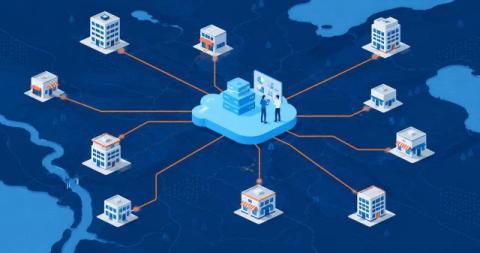
In today's hyper-connected digital economy, uptime is critical, and while downtime is inconvenient, it also poses a threat to reputation, revenue, and customer trust.Enterprises are expected to deliver seamless, uninterrupted services around the clock. But while many organisations invest heavily in high availability (HA) infrastructure, they often overlook the equally critical need for disaster recovery (DR). Because ensuring your systems are available is different from ensuring they are recoverable.

Microsoft 365 Disaster Recovery best practices

We can all agree that Microsoft 365 powers the daily operations of many modern organizations. These often include data critical for business continuity, which simply flows through Teams, OneDrive, and SharePoint; therefore, even a short service outage could negatively impact productivity or regulatory compliance. However, despite its importance, disaster recovery, or DR, for Microsoft Office is often misunderstood or assumed to be fully covered by Microsoft.

Contingency Planning: What's the Difference between Incident Response, Disaster Recovery, and Business Continuity?

Contingency planning is the process of determining how to respond to disruptive events. Most organizations are so dependent on IT resources, and most IT resources are so complex, interdependent, and attack prone, that contingency planning is essential to enable organizations to mitigate the likelihood, impact, and duration of disruptions to IT systems.

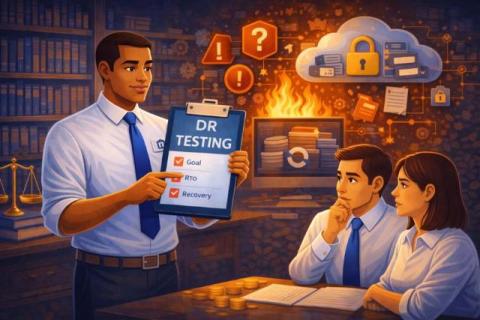
Become The Master Of Disaster: Disaster Recovery Testing For DevOps

Once we say Disaster Recovery, we imagine that if something goes wrong – unexpected deletion or other human error, ransomware attack, outage, etc. – we can restore our data immediately. But is it so in practice? Only if you have a reliable backup for your DevOps stack and a tested DR plan for every critical scenario… According to Backblaze’s report, only 42% of organizations that experienced data loss managed to restore all their data.

Disaster Recovery Best Practices | Webinar by Jason Taylor

Learn the fundamentals of Disaster Recovery in this insightful webinar led by Jason Taylor, Senior Cybersecurity Program Analyst at Sedara. He covers what disaster recovery is, common causes of disasters, response and recovery workflows (BCP, IR, and DR), the seven key steps to building a DR plan, recovery playbooks, and how to create an effective DR project plan. A must-watch for IT and security teams preparing for the unexpected.

Benefits of a Business Continuity Plan

Implementing a business continuity plan is essential for reducing operational downtime, which subsequently minimises financial losses and maximises efficiency. Companies that invest in such planning gain a significant competitive edge, as readiness can spell the difference between survival and collapse during unforeseen challenges. Additionally, protecting your supply chain is a critical element, directly impacting customer satisfaction and long-term success.
Featured Post

Why Conventional Disaster Recovery Won't Save You from Ransomware

The conventional formula for maintaining business continuity in the face of unexpected IT disruptions is as follows: Back up your data. Make a recovery plan. Test the recovery plan periodically. That approach may work well enough if your primary concern is defending against risks like server failures or data centre outages caused by natural disasters. But in the present age of widespread ransomware attacks, conventional backup and recovery planning aren't always enough.
Featured Post

How Much Service Do You Need from DRaaS?

All Disaster-Recovery-as-a-Service (DRaaS) providers do the same basic thing: They manage the recovery of data and applications following an outage or cyberattack. The growing frequency of cyber-attacks highlights the importance of these services. Cloudflare, for example, mitigated $6.9 million DDoS attacks in Q4 2024, a 16% increase quarter-over-quarter and an 83% rise year-over-year.