Security | Threat Detection | Cyberattacks | DevSecOps | Compliance

Preparing for TSA Cybersecurity Compliance with Identity Security

The aviation industry relies on a complex web of players and digital systems to fly passengers safely around the world. Billions of data points flow across this vast interconnected ecosystem – from cloud-based ticketing apps and customer experience portals, to third-party vendors and technology systems, to airport ground operations and in-flight aircraft.

Best practices for effective attack surface analysis

An application’s attack surface is the sum of points where it might be vulnerable to bad actors. It consists of all the paths in and out of the application. Identifying vulnerabilities is vital to mitigating threats because any access point is a potential entry point for an attack. An attack surface analysis, which is critical to this mitigation strategy, is the process of identifying and assessing the potential vulnerabilities and risks in a software system or network.

Swift deserialization security primer

Deserialization is the process of converting data from a serialized format, such as JSON or binary, back into its original form. Swift provides multiple protocols allowing users to convert objects and values to and from property lists, JSON, and other flat binary representations. Deserialization can also introduce unsuspecting security vulnerabilities in a user’s codebase that attackers could exploit.

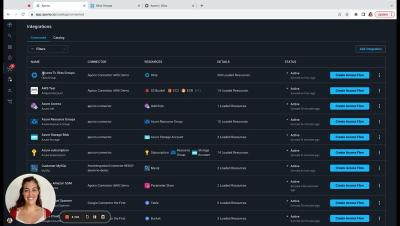
Tanium Demo: Introducing Tanium screen sharing services powered by ScreenMeet

With Tanium Screen Sharing Services, powered by ScreenMeet, customers get simple one-click screen sharing for IT Ops, Security and Support. In this demo we present the end-to-end experience starting in Tanium and ending on the endpoint with ScreenMeet’s remote control tools. In a business environment of remote and hybrid work, screen sharing is an essential enabler of internal collaboration and swift resolution of challenging IT issues.

Exposure Management: Best Practices for Getting Ahead of Cyber Risk

As your organization's attack surface expands—spanning across the cloud, remote locations, and interconnected digital supply chains—the potential for cyber risk exposure grows. Implementing a proactive cybersecurity exposure management program can enhance your understanding of your organization's cyber risk posture and facilitate informed decision-making about how to best allocate investments and resources.

ThreatQ Cyber Forum Recap: Expert Insights on Risk-Based Vulnerability Management

The discipline of vulnerability management has been around for decades and the way we assess risk, based on severity and likelihood of exploitation, has remained fairly constant. However, there are challenges in how this formula is usually applied that narrow our perspective on risk and our mitigation strategies.

Reviewing Remote Work Security: Best Practices

Remote work has shifted the mindset away from the old style of employment, showing up to the office every day. However, it seems that more businesses are starting to grab back some of the traditional practice of showing up to the office. The timing is probably helping, as the northern hemisphere is starting to warm up, making the commute to an office slightly more enjoyable. However, as we move towards an in-office presence, it may make us more relaxed about some of the rules of remote working.