Security | Threat Detection | Cyberattacks | DevSecOps | Compliance

Why API Discovery Is the First Step to Securing AI

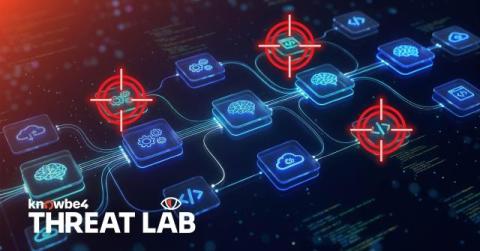
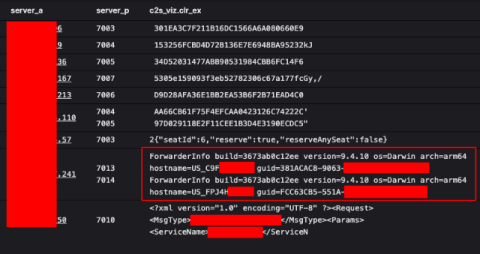
AI risk doesn’t live in the model. It lives in the APIs behind it. Every AI interaction triggers a chain of API calls across your environment. Many of those APIs aren’t documented or tracked. That’s your real exposure. Shadow API discovery gives you visibility into those hidden endpoints, so you can find them before attackers do. If you don’t know which APIs your AI relies on, you can’t secure the system.

Explainable AI in Email Security: From Black Box to Clarity

Generative AI and sophisticated social engineering have reshaped the cybersecurity landscape in 2026. Traditional "castle-and-moat" defenses centered on the Secure Email Gateway (SEG) are increasingly pressured by machine-scale attacks designed to bypass static filters. As organizations shift toward Integrated Cloud Email Security (ICES) models, a new technical and psychological barrier appears: the "black box" problem of defensive AI.

Why QR Code Phishing Is the New 2026 Security Blind Spot

QR code phishing is a social engineering attack that embeds malicious URLs inside QR code images delivered through email. Because the payload lives inside an image — not in a clickable link or plain text — legacy secure email gateways (SEGs) never see it. The email passes inspection. The user scans the code with their phone. And the attack moves from a protected corporate desktop to an unmanaged mobile device outside your security perimeter.

Top 4 AI Security Challenges CISOs Face

AI adoption is accelerating across enterprises, often faster than security teams can respond. Employees are already using AI tools, copilots, and agents across SaaS apps, browsers, and workflows. That creates new risk around shadow AI, sensitive data exposure, runtime threats, and autonomous actions that traditional controls were never built to handle. In this video, we break down the four AI security challenges CISOs are facing right now.

Prioritized Recovery for Object Storage: Restore what matters most, first!

When you need to recover an S3 bucket or Azure Blob container, you probably don't need all of it back at once. Your app config files, your latest data partitions, your active transaction logs — those need to be online now. Last year's holiday party photos — well, they can follow.

This Project Glasswing Announcement is Bigger Than You Think

Anthropic's Project Glasswing and Mythos Preview model represent a seismic shift in cybersecurity. This AI is specifically tuned for vulnerability discovery, code review and security hardening at unprecedented speed. In this episode of Razorwire Raw, Jim Rees breaks down what Project Glasswing actually means for information security professionals and the concerns nobody's talking about yet.

Defending energy infrastructure in the age of Mythos

The Department of Energy’s Office of Cybersecurity, Energy Security, and Emergency Response (CESER) has released its first five-year strategic plan, following the broader national cybersecurity strategy. It’s coming at a time when the energy cybersecurity landscape is changing quickly, in some cases faster than operators can realistically keep up.

Autonomous AI Agents Explained: Risks, Capabilities & Security Gaps

Autonomous AI agents are no longer experimental—they’re writing code, executing commands, and making decisions in real time. But as AI coding agents become more powerful, they’re also introducing a new and often invisible attack surface. In this video, we break down: AI agents can install packages, run scripts, and modify systems instantly—often without traditional visibility. That means security teams need to rethink how they monitor and protect their environments.