Security | Threat Detection | Cyberattacks | DevSecOps | Compliance

PCI 4.0.1. has arrived. Here's what you need to know about Requirement 6.4.3

As the Payment Card Industry Data Security Standard (PCI DSS) compliance standards continue to evolve, our team has been fielding a number of questions about the changes to 4.0, how to interpret them and ultimately how to get or remain compliant. We decided to create a blog series covering some of these recent changes with practical, actionable tips for getting started. Many organizations subject to PCI-DSS may not be aware that the latest version, PCI 4.0.1 has been released.

User Guide: PCI 4.0 Requirement 11.6 - Detecting and Responding to Unauthorized Changes on Payment Pages with Feroot

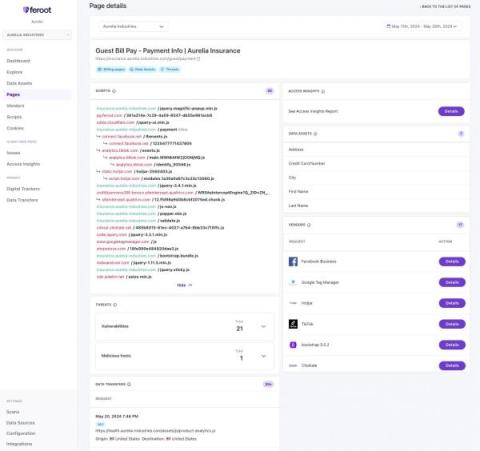
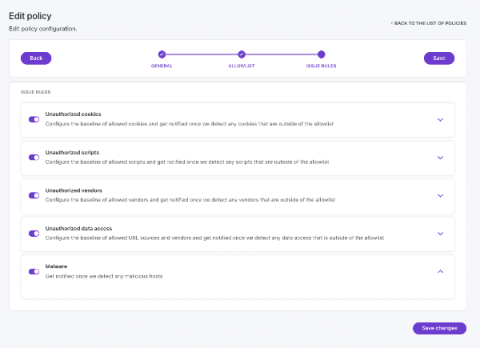
Protecting your e-commerce platform from unauthorized changes and skimming attacks is paramount for maintaining trust and ensuring compliance with PCI DSS 4.0, specifically requirement 11.6. This guide will walk you through utilizing Feroot platform to set up effective monitoring and response mechanisms for your payment pages.

Ensuring PCI DSS 4.0 Compliance with Feroot: A Deep Dive into Requirement 6.4.3

The Payment Card Industry Data Security Standard (PCI DSS) 4.0, issued a comprehensive set of requirements, to safeguard online payment systems against breaches and theft of cardholder data. Requirement 6.4.3 is one of the critical components for businesses that take online payment and focuses on the management and integrity of scripts on webpages that take payment card (i.e.m credit card) payments.

6 Security Risks to Consider with WebAssembly

Programs and apps are a manifestation of ideas in a digital format. If you can dream it in other languages, WebAssembly can deliver it to the browser. From games ported from Unity to PDF editing on the web and leveraging interactive data from Jupyter and Rust, WebAssembly’s use cases are countless. WebAssembly (Wasm) is gaining traction to deliver high-performance client-side code that often cannot be created or executed by JavaScript, at least not in a performant way.

Securing JavaScript: Best Practices and Common Vulnerabilities

JavaScript is the most commonly-used programing language, according to the most recent StackOverflow developer survey. While JavaScript offers great flexibility and ease of use, it also introduces security risks that can be exploited by attackers. In this blog, we will explore vulnerabilities in JavaScript, best practices to secure your code, and tools to prevent attacks.

How to secure JavaScript applications right from the CLI

According to Snyk's 2022 State of Open Source Security report, the average JavaScript project has 49 vulnerabilities, including common ones like unsafe dependencies, cross-site scripting (XSS), weak input validation, and cross-site request forgery (CSRF). And given JavaScript's widespread use, robust security measures are increasingly important to safeguard your applications from cyberattacks.

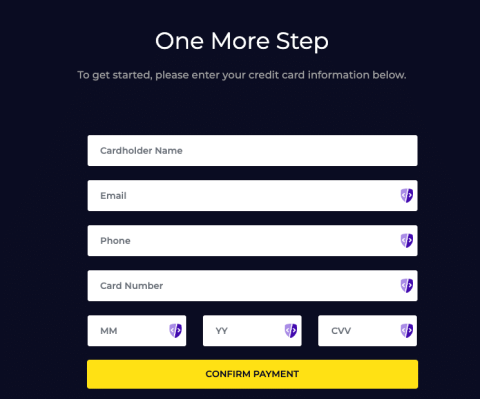
Patient Privacy: Preventing Data Leakage in Healthcare

The healthcare industry has rapidly embraced digital technologies to enhance patient care, streamline operations, and improve communication. However, this digital transformation brings with it a significant challenge: protecting patient data. One often overlooked risk comes from tracking pixels, which can lead to (accidental) data leakage and privacy breaches.