If you’re a developer, devops or security engineer whose continuous integration (CI) systems rely on shared secrets for access management, you probably know firsthand the security risks that shared secrets present.

Continuous integration/continuous delivery (CI/CD), promises to help deliver software faster and more reliably. It does this by pushing frequent updates and fixes regardless of size and using automation tools to help the process run smoothly. According to Gartner, CI/CD is the most common agile practice currently being adopted by organizations. So how does CI/CD work and why is it critical for DevOps teams?
After CircleCI breach, it is a good moment for any team relying on CI/CD infrastructure to review their pipeline security as there are some steps they can take to be proactive.
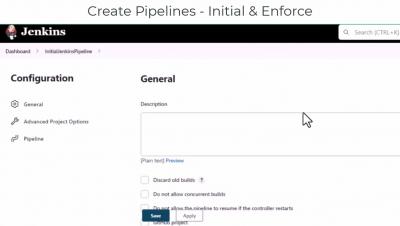
In any software development cycle, it is best practice to catch issues as early as possible since it both improves security and decreases the workload for both developers and security. In order to do this, CrowdStrike offers solutions for developers at build time that allow them to assess their Docker container images and review summarized report data integrated with their favorite CI/CD tools like Jenkins.