Security | Threat Detection | Cyberattacks | DevSecOps | Compliance

Featured Post

What happens when a patch can't wait until next Tuesday?

Most organisations patch on a schedule. For the majority of vulnerabilities, that makes sense. Updates need testing, maintenance windows need planning and nobody wants to cause an outage while trying to fix a security problem. But what happens when something can't wait? That's the bit I think organisations need to be looking at more closely, particularly as AI starts to change how quickly vulnerabilities can be found and analysed.
Identity Security Debt: What MSPs Inherit From Clients

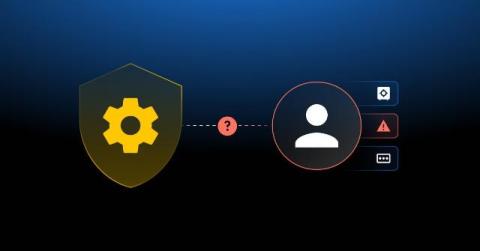
MSPs rarely inherit a clean slate. Whether onboarding a new client or expanding services within an existing account, providers often step into environments shaped by years of identity and access decisions made long before they became involved. Former employees may still have active accounts. Temporary administrator privileges may have quietly become permanent. Shared credentials can persist because replacing them would disrupt established workflows.

Managed identity threat detection and response (ITDR): what MSPs and security teams need

For MSP service owners and technicians, managed identity threat detection and response comes down to a practical service question: who investigates a compromised client account, and who can contain it after hours? Consistent handling across client environments depends on clear ownership from prevention through recovery. Start by checking the identity coverage already included in your managed detection and response (MDR) service or extended detection and response (XDR) deployment.

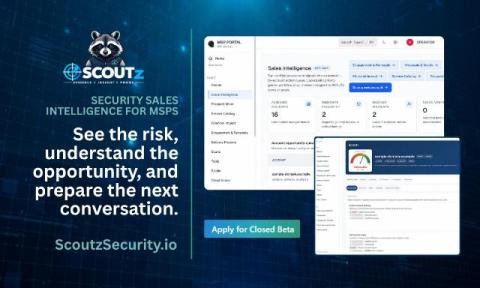
SCOUTz Prospect Intelligence Platform Launches for MSPs with 30-Day Beta

SCOUTz, a prospect intelligence platform built for managed service provider (MSP) security sales, is now available in open beta. The platform gives an MSP dated evidence about a prospect's environment before the first meeting and keeps that evidence attached through delivery and reassessment. 30 days at no charge from the day the workspace is provisioned, then $279 per month at list price. Fifty MSPs from three peer communities shaped the platform in a closed beta that preceded the public release.

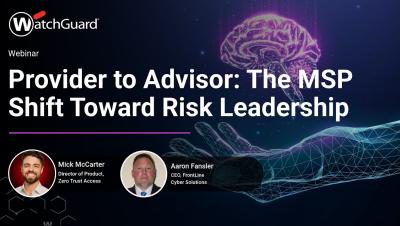
Provider to Advisor: The MSP Shift Toward Risk Leadership | WatchGuard Webinar

Most MSP client reviews cover what got installed. The endpoint agent was deployed, the firewall rules were tuned, and the tickets were closed inside the SLA. Meanwhile, boards, insurers, and auditors are asking for something more: a clear account of the business's current security and compliance risks. The partner who can provide that answer earns client trust and increases credibility.

MSP Perspectives 2026: The evolution of the MSP cybersecurity value proposition

MSPs are no longer simply being asked to manage technology; increasingly, customers are expecting them to provide cybersecurity leadership, deliver compliance programs, and guide security investment. Sophos’ 2026 MSP Perspectives Report reveals how demand for cybersecurity leadership, maturing compliance offerings, and the battle for scale are all shaping the managed services market.

The Cyber Resilience Act: What MSPs Need to Know About the New European Guidance

The European Commission has published its first official guidance to help businesses implement the Cyber Resilience Act (CRA)—the EU regulation establishing cybersecurity requirements for products with digital elements. The timeline is critical: reporting obligations for actively exploited vulnerabilities and severe incidents take effect on September 11, 2026, while the core CRA requirements will become mandatory from December 11, 2027.

Becoming a trusted business partner: 5 partnership strategies for Australian MSPs

A reliable service desk earns confidence. A trusted business partner earns a place in decisions about risk, growth and continuity. For Australian MSPs, that distinction matters because clients increasingly need more than a list of tools. They need clear advice about which risks to address, which outcomes to prioritise and how technology supports the business. Australian Cyber Security Centre guidance encourages organizations to scrutinize the cybersecurity measures used in outsourced ICT services.