“The NHS budget is finite, and it doesn’t stretch far enough for security.” Protecting critical infrastructure without the budget to do so? That’s the reality for many public sector InfoSec teams.
When building a digital health tool, primarily throughonline pharmacy application development, user experience (UX) is crucial. A confusing app can lead to critical errors or frustration for patients, pharmacists, and doctors alike. Poor design erodes trust and efficiency, with serious consequences in healthcare. Therefore, meticulous application development for pharma is vital to ensure every interaction is clear, comforting, and reliable.
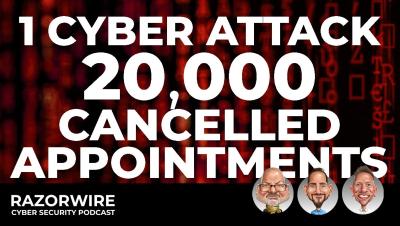
NHS cybersecurity is on life support — can we fix it before patients pay the price? In this episode of Razorwire, host James Rees sits down with Rob Priest (former NHS insider and security expert at Rubrik) and returning guest Richard Cassidy to unpack the real, lived impact of cyber attacks on the UK’s healthcare system — from ransomware crippling hospitals to outdated systems putting lives at risk.
“You’re trying to put modern systems on top of crumbling infrastructure.” When it comes to NHS cybersecurity, outdated tech and budget barriers make it one of the hardest InfoSec jobs in the UK.
People are increasingly turning to massage therapy for stress and pain relief in our busy world. The demand is growing every day. However, attracting and retaining clients can be a challenge in a competitive market. Streamlined booking equals more clients. It's that simple. More massage clients are waiting! This article explores effective scheduling and how to create a fantastic customer experience that will keep them coming back for more.
As digital transformation sweeps across the healthcare sector, there has never been more at stake. Healthcare data is worth a lot on the black market. Unlike financial data, which has a short shelf life (accounts can be frozen, and fraud alerts issued), medical records stay fresh for a long time.
Cybersecurity is a business requirement. Taking a holistic view of cybersecurity as part of the business means that risk, budget, and innovation can achieve balance. In a global survey of 220 healthcare organizations the prevailing wisdom shows that 43% effectively align business risk appetite with cybersecurity risk management, 43% allocate cybersecurity budget to every project from the beginning, and 55% believe they can risk more with innovation because they take an adaptive approach to cybersecurity.
When everyday life becomes too heavy and outpatient care isn't enough, residential mental health treatment can offer the support and structure needed to heal. It's more than just staying somewhere, it's a full-time, live-in program designed to help people work through mental health challenges in a safe, supportive setting. With 24/7 care, therapy sessions, and personalized plans, it provides a steady routine focused on recovery.
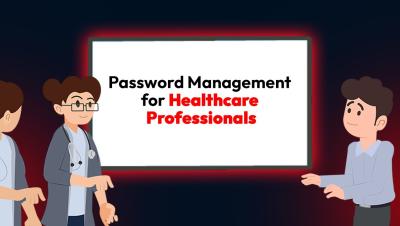
Healthcare professionals need a secure, compliant solution to protect sensitive patient information. Watch this short video to learn how Keeper Password Manager provides industry-leading encryption, compliance and seamless deployment to keep your healthcare organization safe.
SOC 2 and HIPAA are widely adopted security standards aimed at protecting in-scope organizations and the sensitive data they process from cybersecurity threats. While they have the same overarching security goal, HIPAA and SOC 2 differ in a few major aspects, and their implementation specifics can also vary considerably. Depending on your security posture and compliance needs, you may need to implement one or both frameworks.