Zero standing privilege (ZSP) is an applied zero trust security strategy for privileged access management (PAM). The term zero standing privilege was coined by an analyst at Gartner. In practice, it implies no users should be pre-assigned with administrative account privileges. Zero-trust security forbids authorization based on static predefined trust boundaries.
In this world, nothing is certain except death and taxes. The latter of which malicious actors capitalize on seasonally with phishing attacks. From consumers to corporate finance and human resources (HR) departments, these social engineering attacks have become so pervasive that the IRS issued an annual advisory as a warning to businesses and consumers.
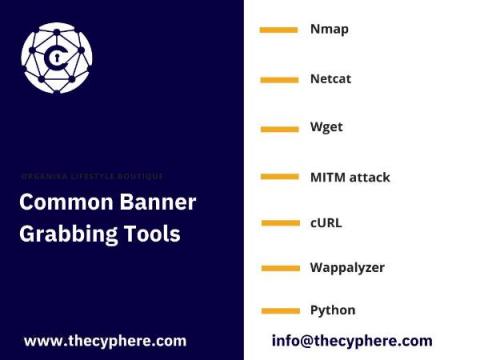
As we all know, whenever it comes to penetration testing, the first thing which comes to mind is reconnaissance. Banner grabbing is used in the initial phase of reconnaissance to get an idea about the target system or application.
On March 29th, the cyberkendra security blog posted a sensational post about a Log4Shell-equivalent zero-day vulnerability in Spring Framework, but without any solid details about the vulnerability itself.
Last week, I attended the NotSoSecure Advanced Web Hacking training. While there were plenty of interesting topics taught, one that caught my attention was Out-of-Band (OOB) Data Exfiltration using DNS. Back in 2018, NotSoSecure published an Out of Band Exploitation (OOB) CheatSheet. In that document, they cover methods by which you can exfiltrate data. One of these uses files written to disk and multiple DNS queries to send large chunks of data.
On March 30, 2022, a critical remote code execution (RCE) vulnerability was found in the Spring Framework. More specifically, it is part of the spring-beans package, a transitive dependency in both spring-webmvc and spring-webflux. This vulnerability is another example of why securing the software supply chain is important to open source.